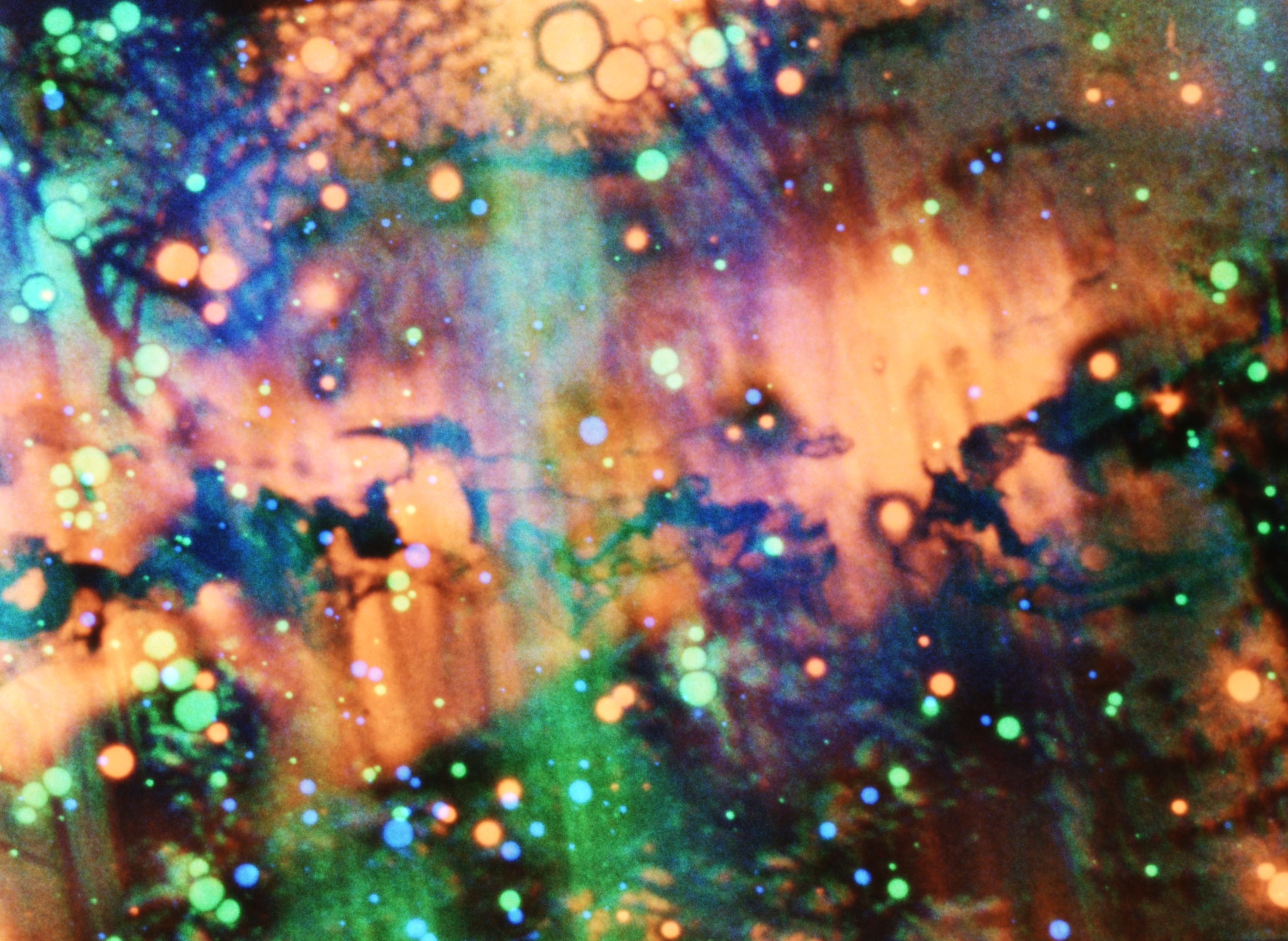
Black Seas (2026) by Erin Weisgerber
Saturday, September 5, 2026, 2:30 pm
CROSSROADS 2026 – program 3
we name no heroes
More missives from the rotting archive. Nothing is documentary. Nothing is fiction. Onyeka Igwe’ Penkelemes, on Nigeria’s University of Ibadan, anchors this program of fragmented and fragmentary films considering familial history, colonial legacies and the boundaries between representation and re-presentation, films which question objectivity in favor of speculative exploration of the materiality of the archive.
SCREENING:
PROJECTIONIST PLEASE FOCUS (2026) by Linda Izcali Scobie (US); digital video or 16mm [TBD], color, sound, 1 minute. Swing Swish Sway (2026) by TT Takemoto (US); digital video, color, sound, 7 minutes. Black Seas (2026) by Erin Weisgerber (Canada); digital video, color, sound, 11 minutes. Lost in the Water (2025) by Allison Chhorn; digital video, color, sound, 12 minutes. A Flower Falling Back Into the Earth (2026) by Rajee Samarasinghe (Sri Lanka); digital video, color, sound, 8 minutes. North (2026) by Hogan Seidel (US); digital video or 16mm [TBD], b&w, sound, 5 minutes. Penkelemes (2025) by Onyeka Igwe (UK/Nigeria); digital video, color, sound, 19 minutes.
TRT: 63 minutes
← 1 2 3 4 5 6 7 8 →
CROSSROADS 2026
*tickets coming soon*
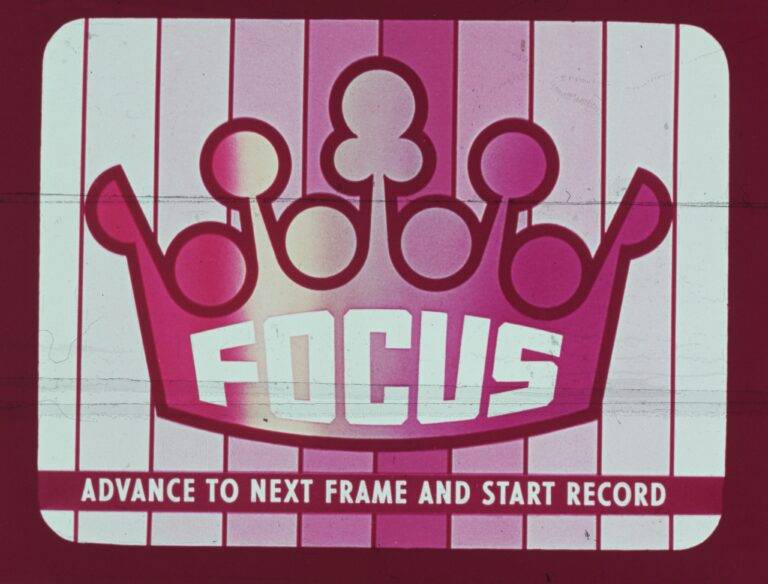
PROJECTIONIST PLEASE FOCUS (2026) by Linda Izcali Scobie
a film in which there appear START, FOCUS and END leader
35mm>16mm, color/b&w, sound (Linda Izcali Scobie)
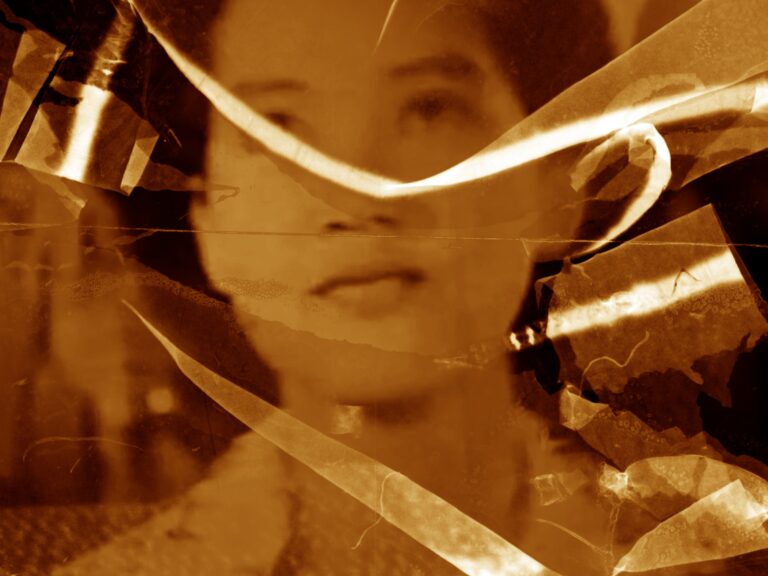
Swing Swish Sway (2026) by TT Takemoto
Inspired by Rosalie “Rose” Bamberger (1921–1990), the mixed-race Filipina American paintbrush maker and co-founder of the Daughters of Bilitis (DOB) in 1955. When DOB shifted their focus to becoming the first US lesbian political rights organization, Rose and her lover Rosemary faded from the historical record. This film embraces Rose’s desire for a “secret society for lesbians” through emulsion lifts, contact prints, pinhole imagery and the pleasure of dancing, frying chicken and swinging in the moonlight. (TT Takemoto)
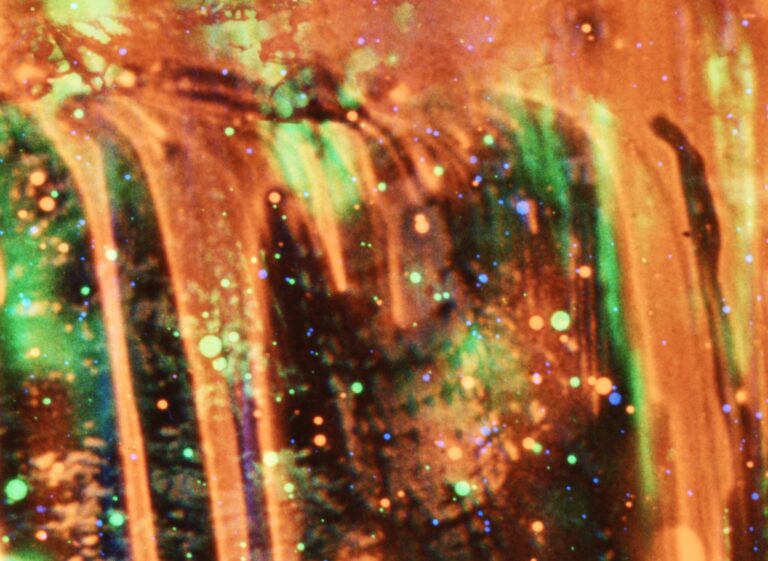
Black Seas (2026) by Erin Weisgerber
Ghostly figures are conjured from a mist of crumbling film emulsion, while flickers of familiar melody emerge amidst a sea of resonance and static. Weaving together fragments of footage from Alexander Sokurov and Irakli Kvirikadze, Black Seas salvages damaged 35mm film prints, breathing new life and stories into cinematic material that was originally destined for destruction. Printed on handmade film stock and employing artisanal colour separation techniques, Black Seas was commissioned by Guillaume Lafleur for the Cinémathèque québécoise as part of the project Archives in the Hands of Filmmakers, which invited artists to create new works from a donation of Soviet prints. It was created using clips from The Swimmer and The Lonely Human Voice. (Erin Weisgerber)
US premiere
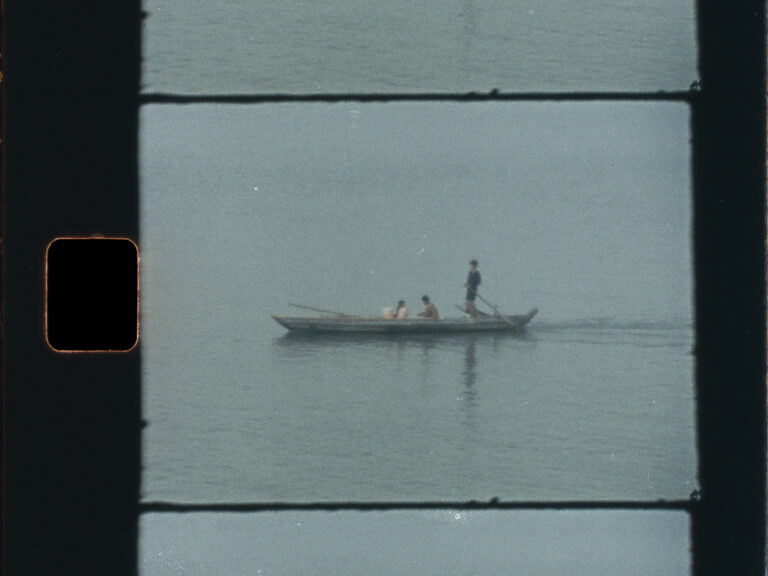
Lost in the Water (2025) by Allison Chhorn
Fragments of recreated archival footage depict daily life along the Mekong River in the countryside of Cambodia. An imagined flash flood submerges everything, opening portals of memories that reemerge from the depths of the river. (Allison Chhorn)
US premiere
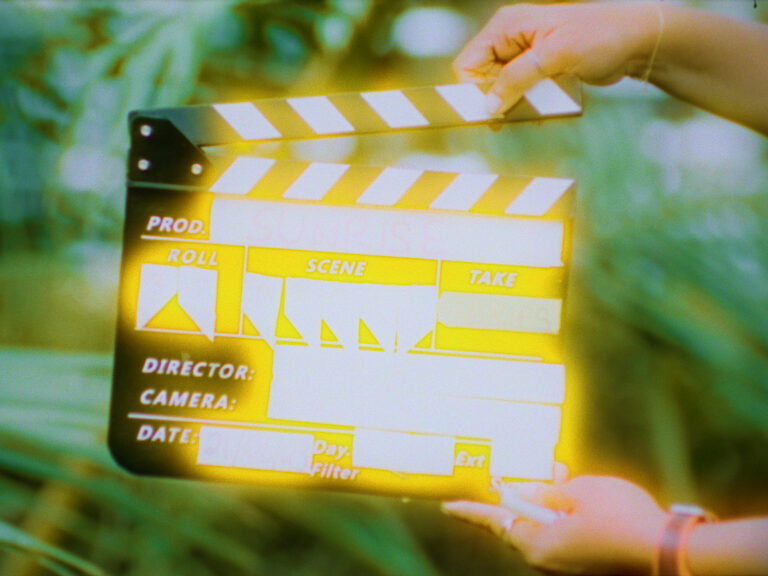
A Flower Falling Back Into the Earth (2026) by Rajee Samarasinghe
This film emerged from footage originally captured for a feature documentary on enforced disappearances among Sri Lanka’s Tamil population—specifically, an interview with a mother whose son vanished in the war’s final stages. In revisiting this footage, I also revisit the challenges of representing this particular testimony, which eluded me, one that could not be fully conveyed within the framework of the original film. This iteration reshapes the original context, exploring the divide between me and her, the intersection of ethnographic and colonial perspectives, and questioning cinema’s ability to bear witness. Through silence, rupture and absence, the film attends not only to what can be shown, but to what remains unreachable, withheld or lost. The text read in the film was sourced from Robert Gardner’s memoir, The Impulse to Preserve (2006). (Rajee Samarasinghe)
bay area premiere
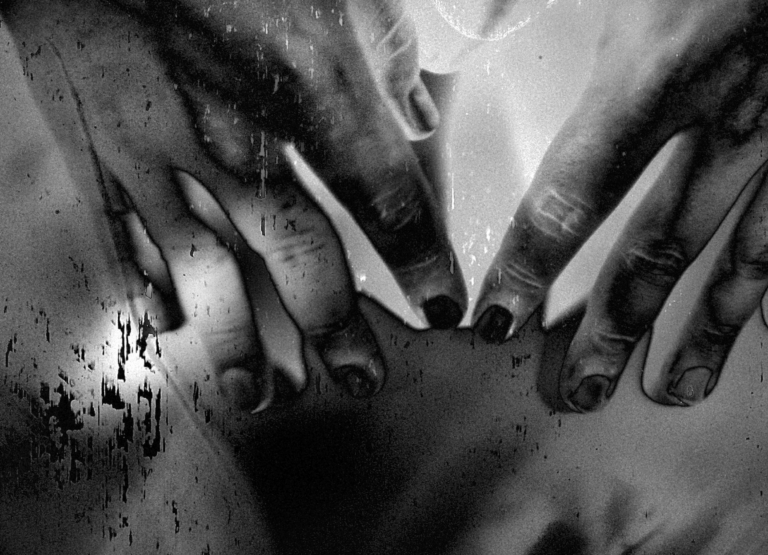
North (2026) by Hogan Seidel
I found a decaying print of Nanook of the North buried in the archive at Northwest Film Forum. Vinegar-soaked. Warped. Unstable. I let it keep rotting. Then I pushed it further: through photochemical abrasion, through touch, through light. I approach the material not to represent it, but to hold it. To sit with its damage. To mark it with heat, with light, with gesture. I am not re-presenting the image. I am pressing against its surface, smearing its claim to objectivity. I see myself not as a filmmaker, but as an image handler.
What do we do with the myths we inherit?
We unmake them.
We hold them until they blur.
We watch them burn. (Hogan Seidel)
US premiere
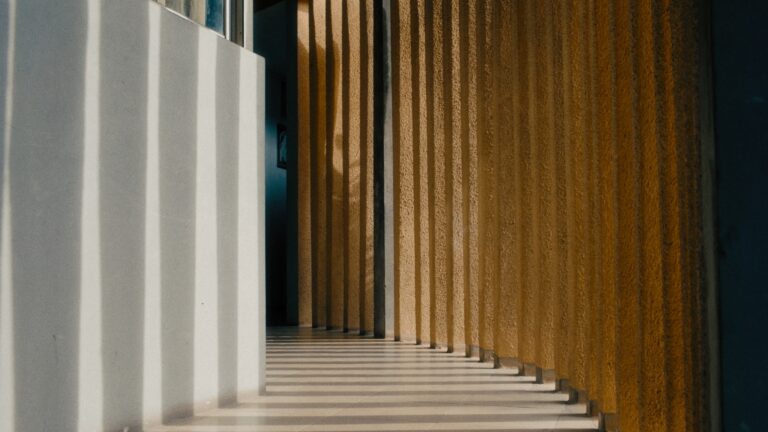
Penkelemes (2025) by Onyeka Igwe
The University of Ibadan is an example of the university as a colonial project, one that sets the standard of success, of living the good life—the “civilised” life. It was created in 1948 in south western Nigeria to produce docile and compliant colonial subjects, there to serve the interests of the imperial core. Post national independence, it flourished—proffering a new image conjugated by Nigerian thought and culture for a brief and bright moment. But then war came, British funding was withdrawn, and Nigeria’s economic independence was funneled into Western mandated streams, draining the university of its promise. Now it has become something of a shadow of its former selves, from the “Good old days to harsh reality.” And at the same time it is also the protagonist in a real life fairytale of social mobility that provides many, including my mother, the opportunity to assert an identity in contradiction to a predestined path. Allowing for self possession, mobility, independence and new horizons. How to reconcile these multiple and contradictory realities? What could this poisoned colonial chalice become if it is made in another image? Can it be made otherwise? Do we need to start again? What is an African university? How do I tell the story of the University of Ibadan? (Onyeka Igwe)
bay area premiere
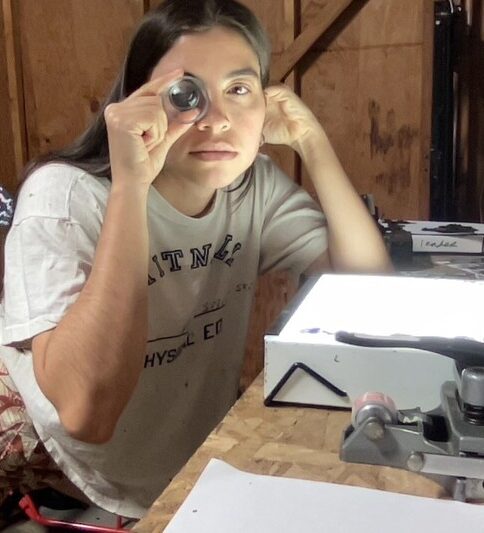 Linda Izcali Scobie (Mexican-American) is a filmmaker, programmer and projectionist living in San Francisco. Her 16mm film work has been exhibited nationally and internationally at film festivals and venues such as LA Film Forum, Antimatter, Centro de Cultura Digital in Mexico City, XCÈNTRIC – de Barcelona and the Ann Arbor Film Festival, receiving the 2026 Susan Dise Best Experimental Film Award. In 2018, she was the Artist in Residence at White Leaves Residency in New Mexico. She is currently a Senior Projectionist at the Pacific Film Archive in Berkeley and co-founder of CERTAIN WOMEN, a monthly film series at The Orinda Theater that highlights the work of women directors. Her films are distributed by Canyon Cinema.
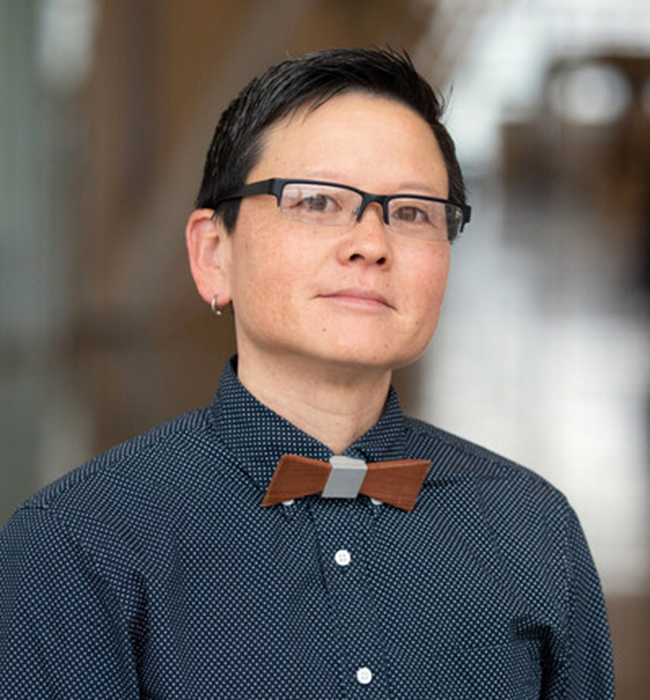 TT Takemoto (US) explores hidden dimensions of same sex intimacy and trauma in Asian and Asian American history. Takemoto conjures up queer historical fantasies by manipulating found footage and engaging with tactile dimensions of the archive.
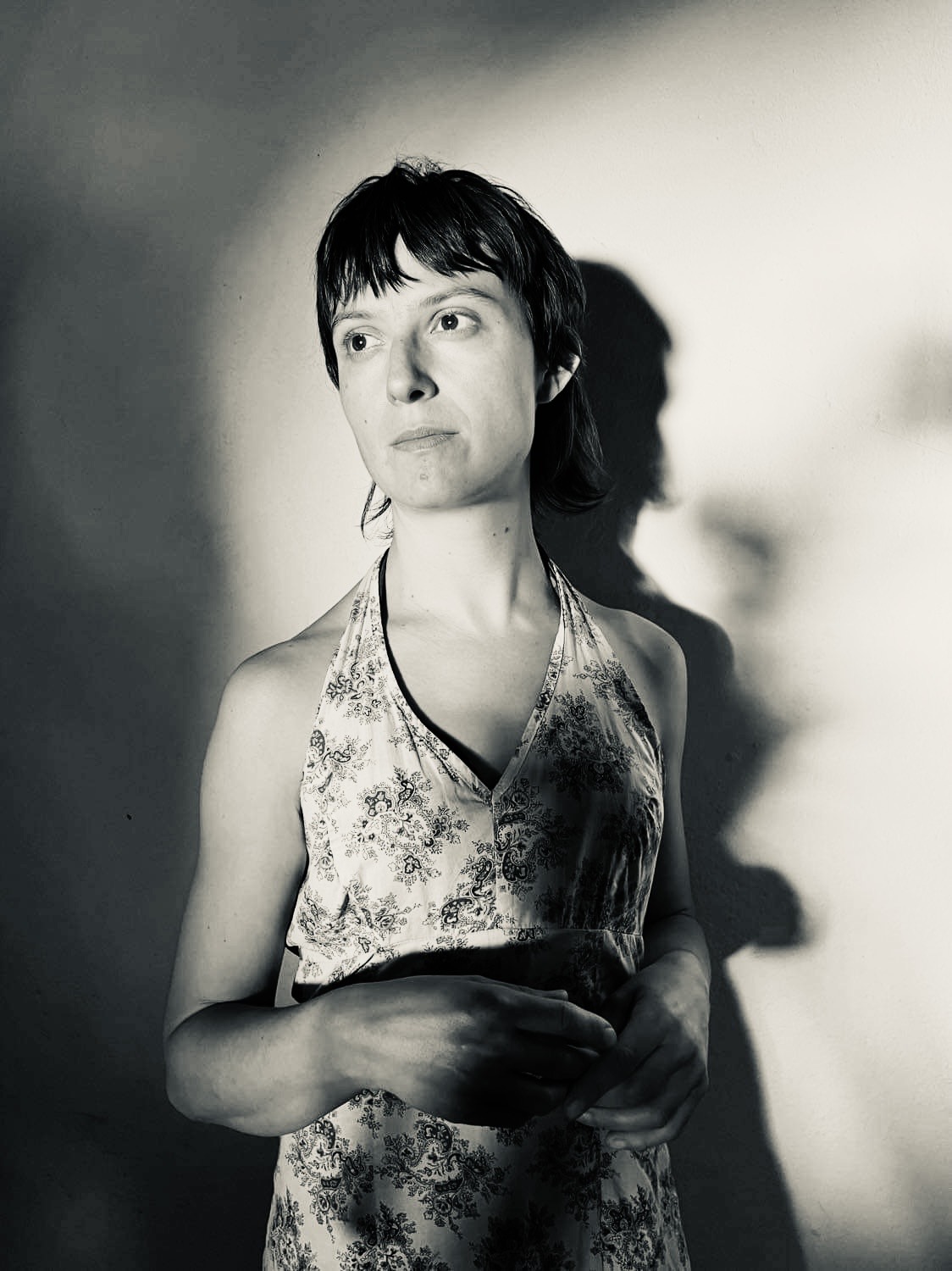 Erin Weisgerber (Canada) is a Tiohtia:ke/Montreal-based artist working with photo-chemical film to produce installations, performances and short films. She manipulates the photographic, chemical and material properties of film to transform the world framed through her camera, rendering moving images that exist between figuration and abstraction, external vision and internal landscape. Portrait by Ralitsa Doncheva.
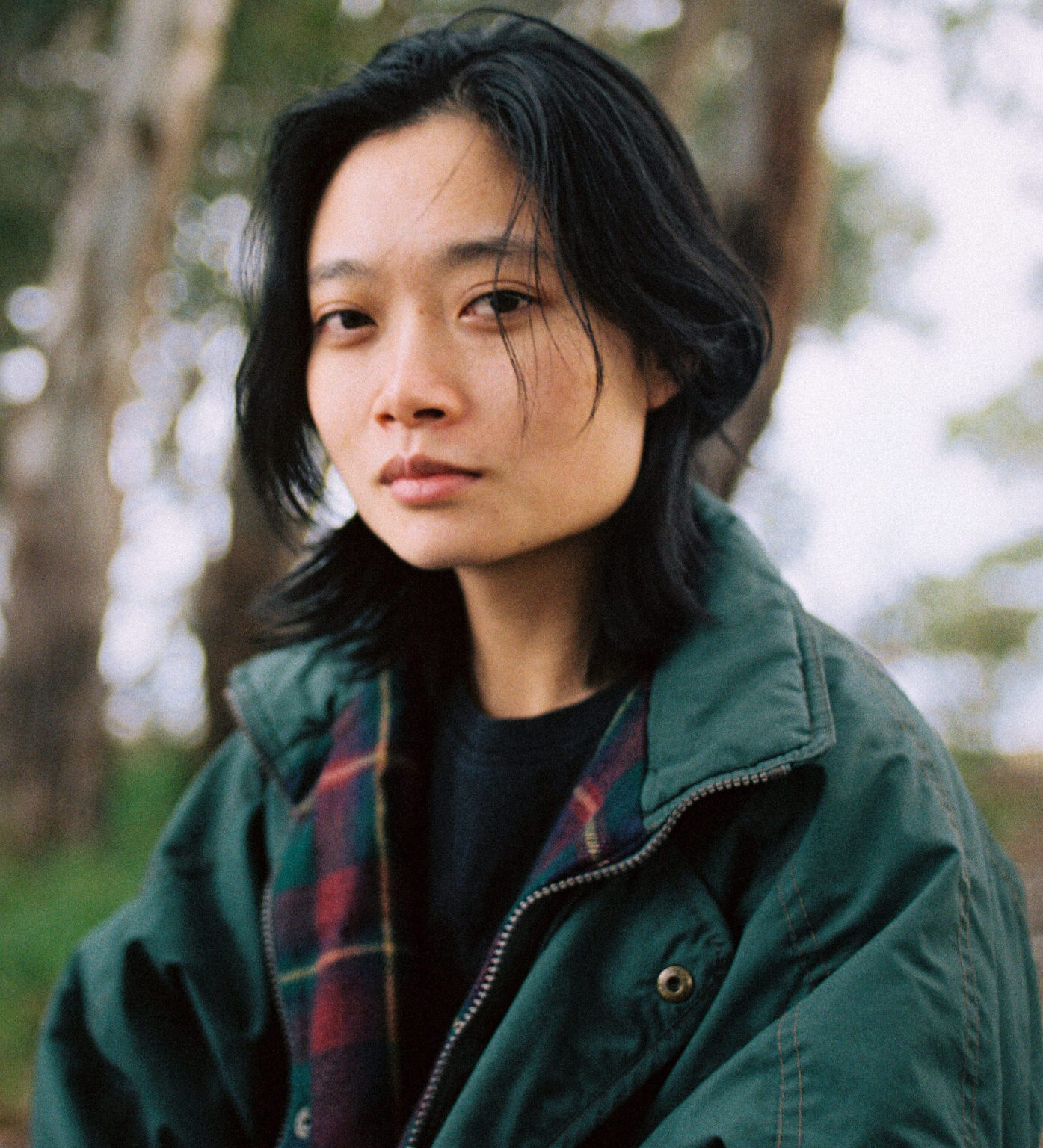 Allison Chhorn is a Cambodian-Australian filmmaker and interdisciplinary artist living on Kaurna Land (South Australia). She works between the intersections of cinema and installation where the darkened room illuminates fragments and impressions of familial history. Through the practice of filming, photographing, listening and recording to her surroundings, the collected material over several years becomes a personal archive and a body of tactile memory. Portrait by Alex Nguyen.
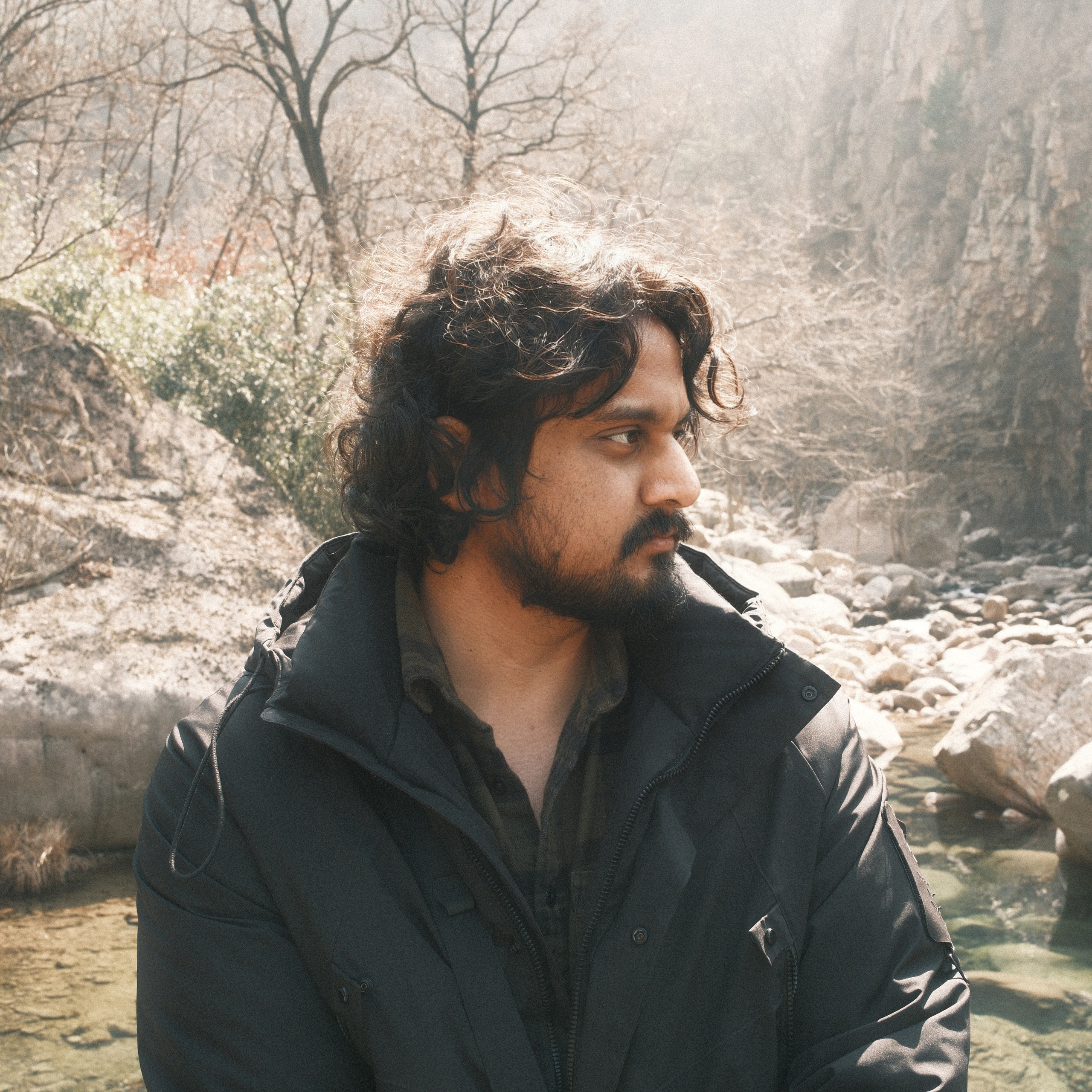 Rajee Samarasinghe (Sri Lanka) is an award-winning filmmaker born and raised during Sri Lanka’s civil war. He holds a BFA from UC San Diego and an MFA from CalArts. His debut feature, Your Touch Makes Others Invisible,” won the Truer Than Fiction Award at the 2026 Film Independent Spirit Awards. Supported by the Sundance Institute, Berlinale Talents’ Doc Station, Field of Vision and True/False’s PRISM program, the film premiered at the 2025 International Film Festival Rotterdam. Samarasinghe was named one of Filmmaker Magazine’s 25 New Faces of Independent Film in 2020 and presented a solo program at the MoMA (Modern Mondays) in 2021. He’s also received a MacDowell Fellowship in 2023, a Yaddo residency in 2024 and a Guggenheim Fellowship in 2025.
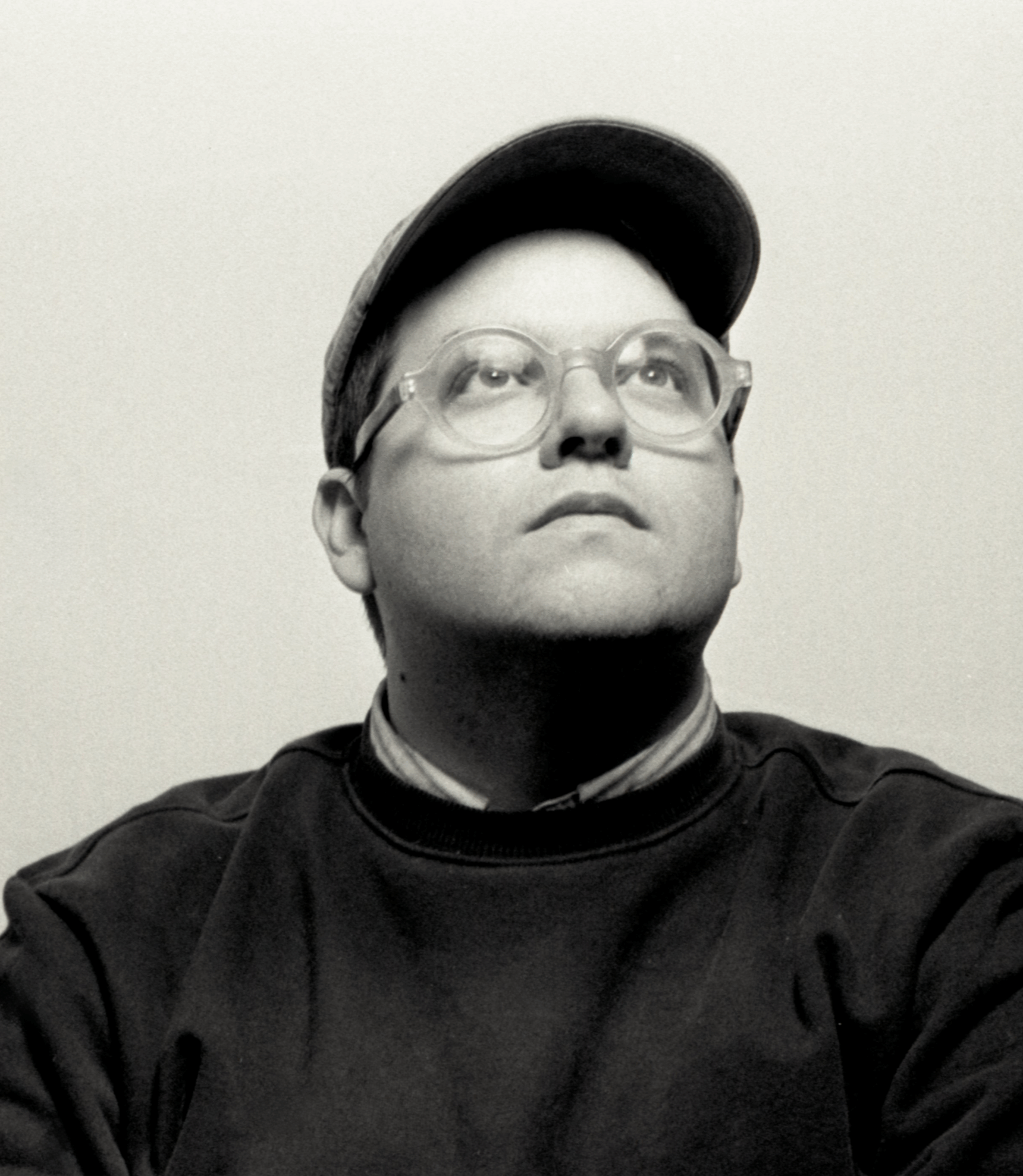 Hogan Seidel (US) is a Boston-based artist working in the traditions of experimental film and photography. Their current artistic research, framed through poetic, political and personal lenses, delves into contemporary queer discourse, queer history and queer ecology. Hogan currently is an assistant teaching professor of photography at Simmons University.
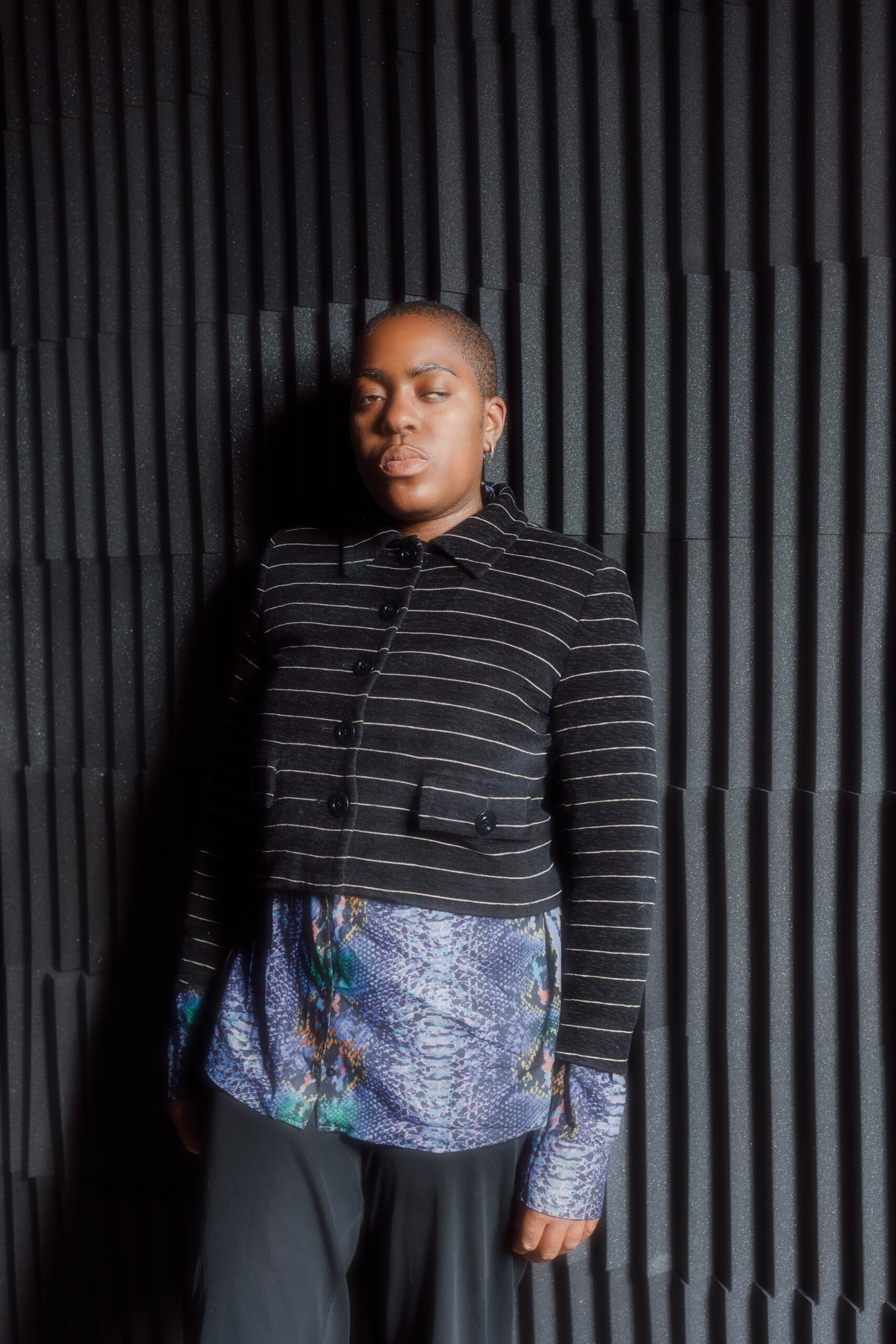 Onyeka Igwe (UK/Nigeria) is a London born & based moving image artist and researcher. Her work is aimed at the question: how do we live together? She has exhibited in museums and galleries across the world and her video works are screened at film festivals internationally.