
ouarda ouarda: yet another flower film (2026) by Samy Benammar
Saturday, September 5, 2026, 8:00 pm
CROSSROADS 2026 – program 5
the flamethrowers
Behold our visceral Saturday night centerpiece, a cacophonous cavalcade of luridly queer confrontations in which lovingly hand-made collage works rub against explorations of lushly floriferous filmic tactility, sensuous life-affirming elegies and ambivalently beautiful dystopian landscapes, providing loving and community-centered counter to horrific AI-hallucinated nightmares of surveillance and state violence. Throughout, as surface noise is celebrated, boundaries are made permeable and vulnerability is celebrated as strength.
program community partners: Frameline

SCREENING:
ouarda ouarda: yet another flower film (2026) by Samy Benammar (Canada); digital video, color, sound, 5 minutes. Exhibition file from Vidéographe. XTENDED RELEASE (version 2.5) (2026) by Joshua Gen Solondz (US/Japan); 16mm, color, sound, 16 minutes. Plastic Aortas (2024) by Malic Amalya (US); 16mm; color, sound, 10 minutes. Am I Mourning What I Never Lost? (2025) by R. James Edwards (Canada); digital video, color, sound, 2 minutes. Exhibition file from Vtape. Leather Graves (2025) by Malic Amalya; 16mm, b&w/color, sound, 12 minutes. semipermeable: syringe (2024) by Marcos Serafim (Brazil/US); digital video, color, sound, 18 minutes.
TRT: 67 minutes
PROGRAM TICKETS: $12 General/$10 Cinematheque Members, Gray Area Members & students (with ID)
FESTIVAL PASSES: $85 General/$70 Cinematheque Members, Gray Area Members & students (with ID)
← 1 2 3 4 5 6 7 8 →
CROSSROADS 2026
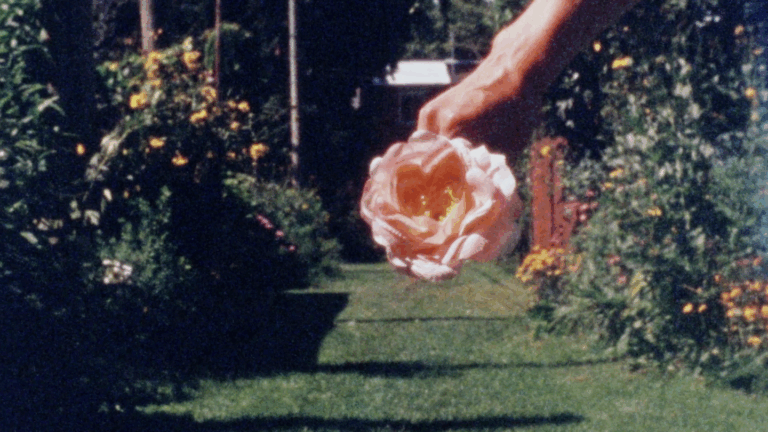
ouarda ouarda: yet another flower film (2026) by Samy Benammar
Flowers flicker along a 16mm strip, just before or right after the flames. You can hear them weep, scream and resist. In response to this stridency, there is the burst of light from a black petal. Working from scientific audio recording, the film is designed as an act of appropriation and resistance, refusing to let flowers burn. (Samy Benammar)
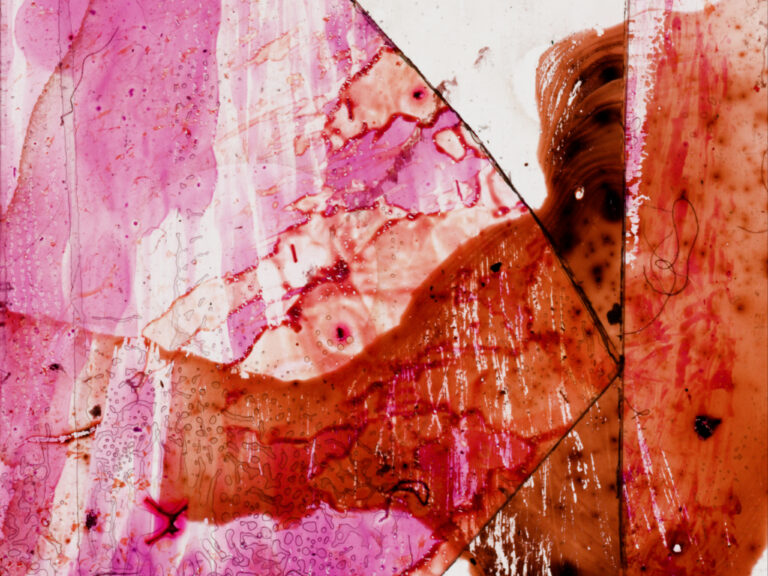
XTENDED RELEASE (version 2.5) (2026) by Joshua Gen Solondz
A collage film on 16mm offloading found footage Solondz accumulated from specific people/points in time; collaged with tape, ink, skin, semen, and various corrosive chemicals. A fragmentary narrative? A private joke. An intermission? For Luther and Tomonari and my grandfather. (Joshua Gen Solondz)
bay area premiere
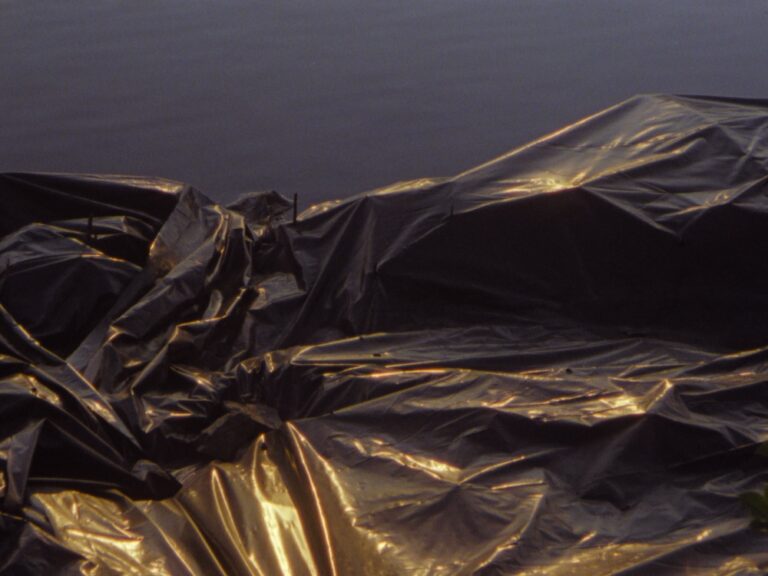
Plastic Aortas (2024) by Malic Amalya
Plastic Aortas is a portrait of the black plastic lining the Fells Reservoir in the unceded land of the Massachusett, Pawtucket and Naumkeag indigenous peoples. The lining was placed there by conservationists to mitigate the invasive Common Reed, which is killing native plants. However, the lining also interferes with wildlife and contaminates the water. The title references Roland Barthes’ 1957 essay, “Plastic,” in which he writes, “The hierarchy of substances is abolished: a single one replaces them all: the whole world can be plasticized, and even life itself since, we are told, they are beginning to make plastic aortas.” 65 years later, in 2022, microplastic pollutants were found in human blood and, in 2023, in human heart tissue. In this film, tension rises between the benefits and hazards of plastic or, as Barthes describes, between life and plastic. (Malic Amalya)
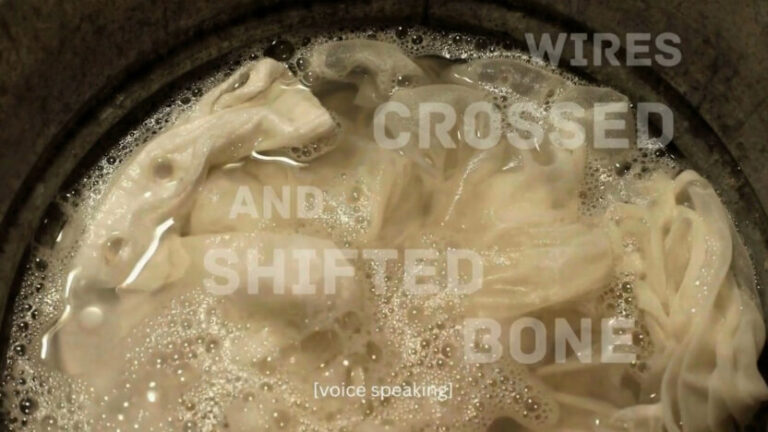
Am I Mourning What I Never Lost? (2025) by R. James Edwards
The title Am I Mourning What I Never Lost? refers to the mundanities of living with a permanent hearing loss from birth, therefore never having technically “lost” anything. Artist R. James Edwards documents his experience with the medical system and the ways his disability is viewed and grieved for by outsiders through poetry. (Vtape)
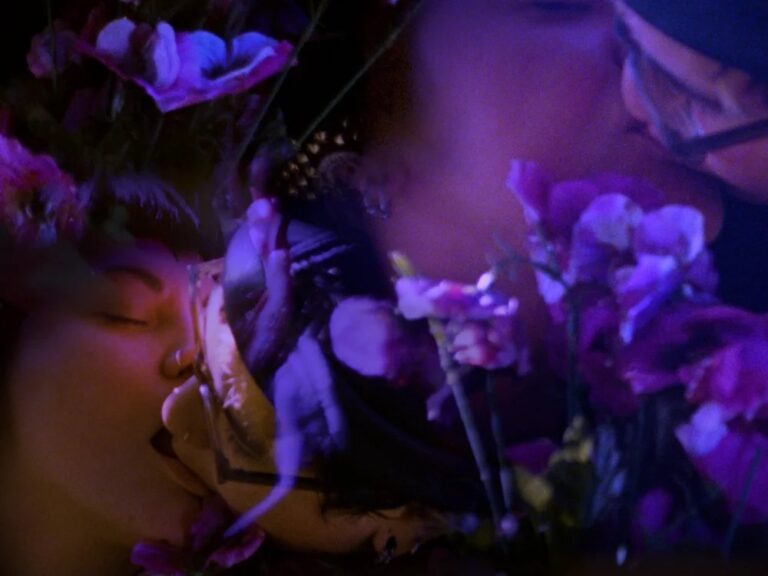
Leather Graves (2025) by Malic Amalya
Leather Graves is an experimental 16mm film that explores the permeable boundaries between exile and ecstasy. Cruising amongst gravestones engraved with references to queer culture and sexuality, queers defy death by devouring candy-coated blossoms. The queer epitaphs in Leather Graves were created by double-exposing inscriptions on gravestones (largely last names), using an in-camera double exposure technique with a Bolex camera and a matte-box. The cast and crew are all trans, nonbinary, gender nonconforming and/or femme queer people. (Malic Amalya)
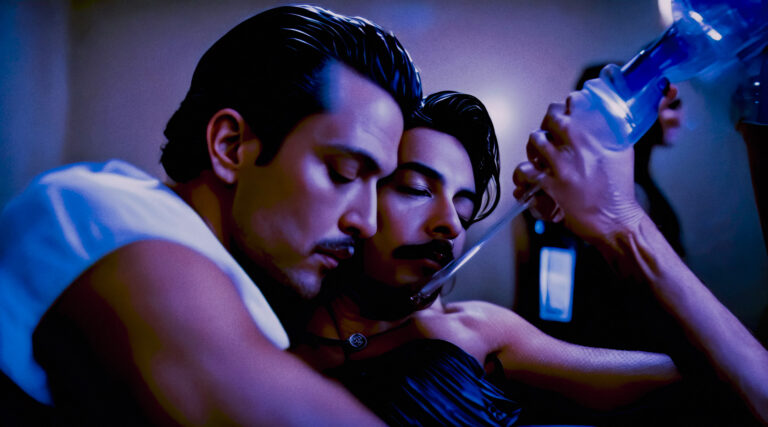
semipermeable: syringe (2024) by Marcos Serafim
Generative AI inherits the same political and epistemological infrastructures that regulate bodies, borders and viral life. Working inside these systems, the piece confronts the inability of commercial image models to imagine the HIV epidemic unfolding across the US/Mexico borderlands, where the virus disproportionately affects Hispanic and Latino communities through overlapping regimes of migration, healthcare, surveillance and state violence. Their refusals, distortions and hallucinations become the material of the work. These synthetic images circulate through custom audiovisual software where recursive processing transforms computational failure into an unstable field of contamination, desire and sensation. (Marcos Serafim)
bay area premiere
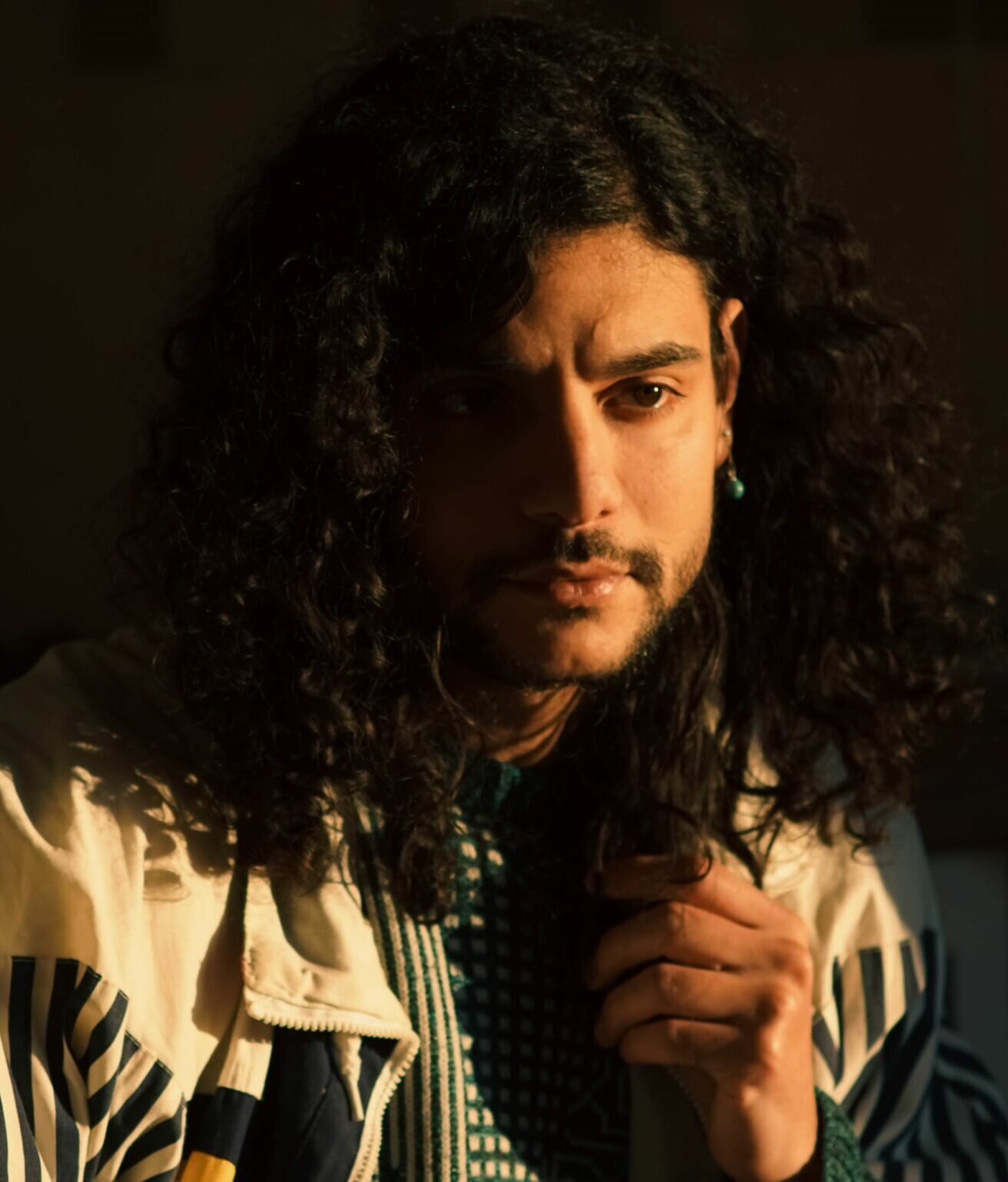 Samy Benammar is a Montreal-based artist and film critic. His work as a writer and filmmaker has developed as a form of experimentation around socio-political issues inherited from his Algerian and working-class origins. His films include Adieu Ugarit (2024), Avant Seriana (2024), kaua’i’o’o (2023), and peugeot pulmonaire (2021). They have been shown in festivals such as Prismatic Ground, BFI London festival and RIDM and are distributed by Winnipeg Film Group, Vidéographe and CFMDC. His writings can be read in magazines such as Hors Champs, 24 images and Panorama cinéma. He is also conducting a PhD in research and creation focusing on the Wilaya of Batna, Algeria, and colonial photography. He listens to the bleating of the goat. No matter how domesticated, they remain unpredictable, and resist docility.
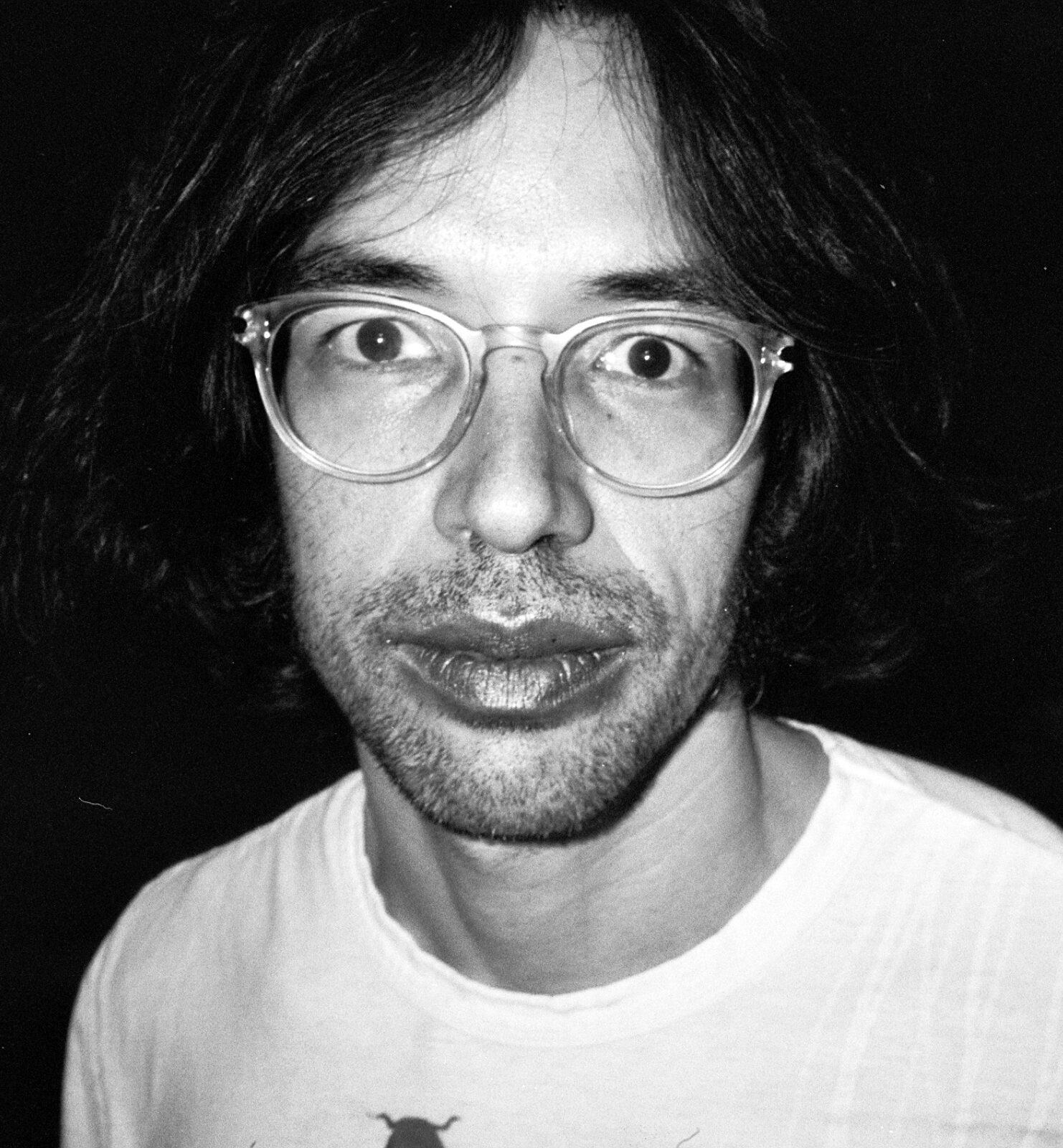 Joshua Gen Solondz is a Jewish Nisei process based artist living in Brooklyn, NY.
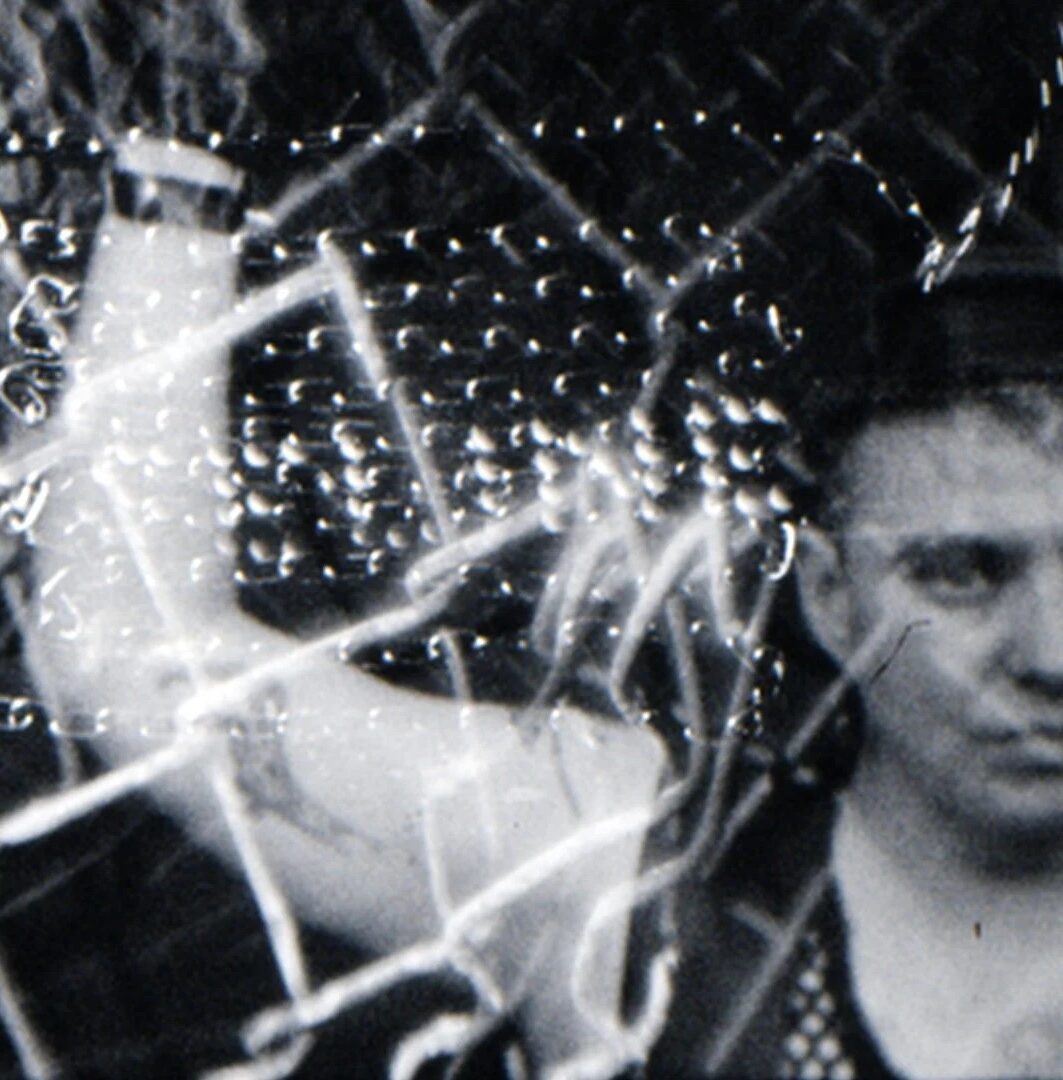 Malic Amalya (US): Visceral and cacophonous, my films traverse gritty landscapes of abandoned buildings, blast zones and back rooms. Situated between non-linear avant-garde traditions, the oppositional and self-reflective aesthetic considerations of queercore and an intersectional feminist politic, I create single channel and expanded cinema performances across 16mm and Super 8 film, digital and analog video and 35mm slides. This creative framework is informed by prison abolition, anti-capitalism, decolonization, anti-racism, gender self-determination, disability justice and climate justice.
 R. James Edwards (Canada) is an artist working primarily with photography, printmaking and digital art. His artistic practice frequently involves repetitive and tedious methods, resulting in a longer and more complex working process. This process work is as important as the final product and he often strives to make the labour visible in some way. James also places a lot of importance on the objects and materials featured in his works. These carefully collected materials are treated with a certain degree of respect, admiring their materiality and personal symbolism, turning each into a precious object.
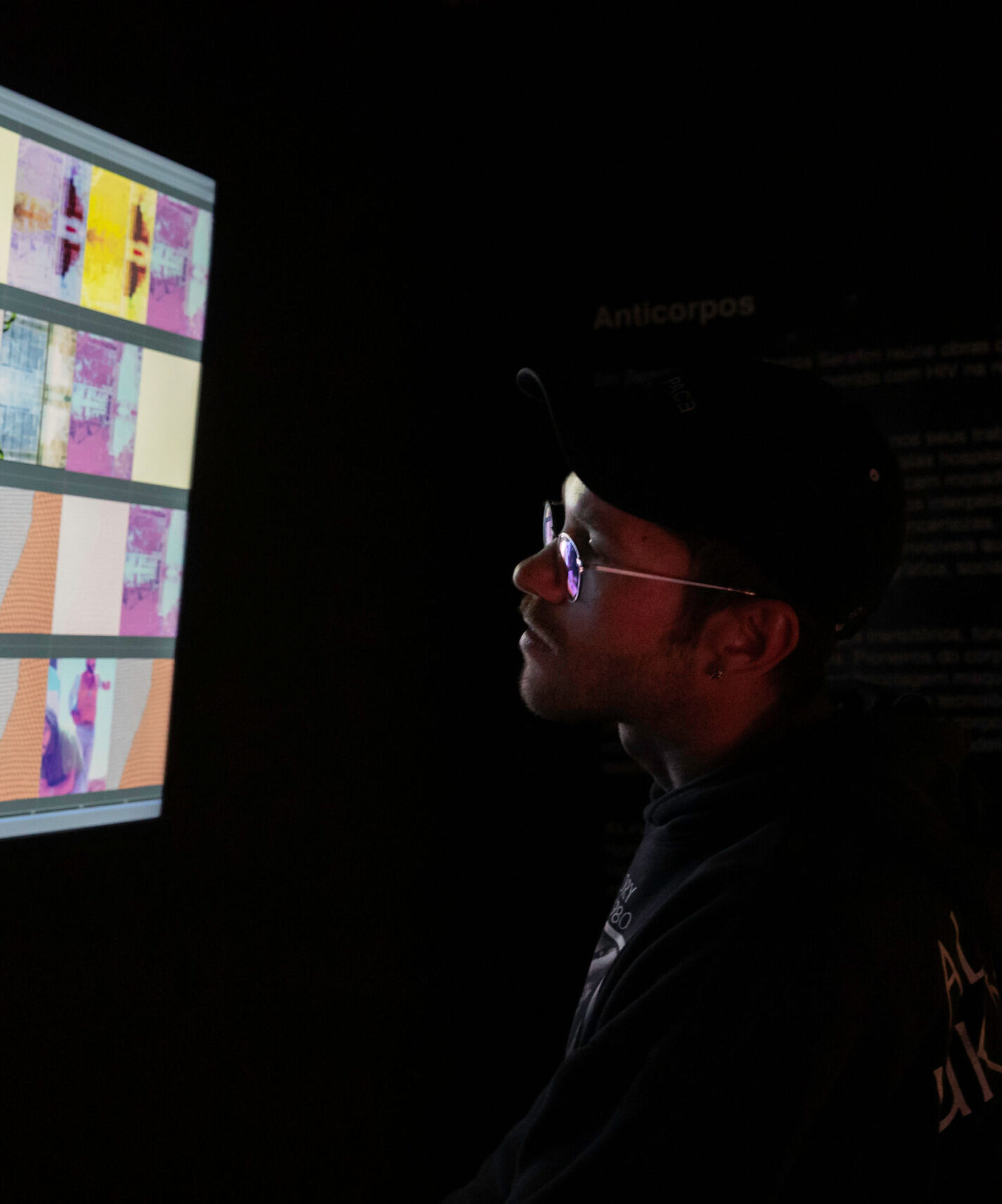 Marcos Serafim (Brazil/US) is a Brazilian artist, filmmaker and researcher working across experimental cinema, audiovisual performance, installation and computational media. His practice examines tensions among data, media, reality and representation, tracing how cultural, historical and material forces shape minoritized subjects and their relations to technology. His work has been presented at doclisboa, Alchemy Film and Moving Image Festival, Alternative Film/Video in Belgrade, Media City Film Festival, MixBrasil and the Ghetto Biennale. Exhibitions and screenings include EMPAC, Pioneer Works, the Eli and Edythe Broad Art Museum, the Oscar Niemeyer Museum, the Museum of Modern Art of Rio de Janeiro and the Museum of Image and Sound of São Paulo. He is Associate Professor of Art at the University of Arizona.