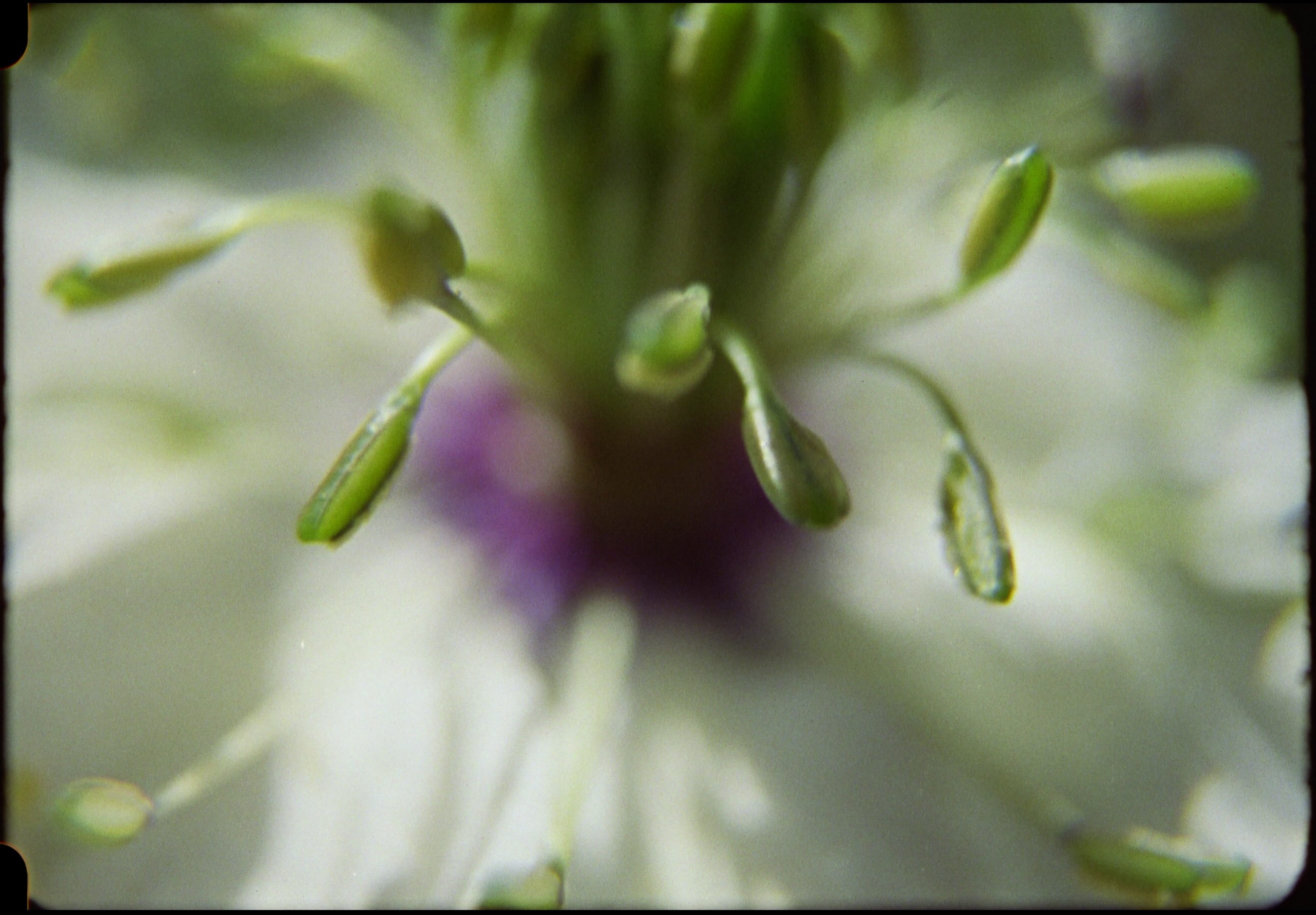
Jones Street (2025) by Silvia Turchin
Saturday, September 5, 2026, 5:00 pm
CROSSROADS 2026 – program 4
bury it in the garden
As a centerpiece, Maryam Tafakory’s Daria’s Night Flowers—“draw[ing] upon dozens of Persian-language films, both classics and obscurities, to weave a tale of jealousy, muted ambition, and creative suppression” (Michael Sicinski)—grounds a program of quiet incantations, rituals of remembrance, intergenerational traumas and healings and domestic anxieties. Works exploring mysteries within the everyday, losses latent in quotidian spaces.
program community partner: Artists’ Television Access

SCREENING:
of the sun, that it exists (du soleil, que ça existe) (2025) by Charlotte Clermont (Canada); digital video, b&w, sound, 9 minutes. Exhibition file from AV-arkki. Jones Street (2025) by Silvia Turchin (US); digital video, color, sound, 11 minutes. In the Heavenly Cutting Room (2025) by Emma Penaz Eisner (US); digital video, color, sound, 3 minutes. Wildflower Season (2025) by Kathleen Quillian (US); digital video, color, sound, 8 minutes. گلهای شب ِدریا Daria’s Night Flowers (2025) by Maryam Tafakory (Iran); digital video, color, sound, 16 minutes. Exhibition file from Square Eyes Film. (for once I dreamed of you) (2025) by Kate Solar (Canada); digital video, b&w, sound, 6 minutes. Exhibition file from Winnipeg Film Group. I Was There (2025) by Kamila Kuc (USA/Poland); digital video, color, sound, 13 minutes.
TRT: 66 minutes
PROGRAM TICKETS: $12 General/$10 Cinematheque Members, Gray Area Members & students (with ID)
FESTIVAL PASSES: $85 General/$70 Cinematheque Members, Gray Area Members & students (with ID)
← 1 2 3 4 5 6 7 8 →
CROSSROADS 2026

of the sun, that it exists (du soleil, que ça existe) (2025) by Charlotte Clermont
du soleil, que ça existe examines the temporalities through which the body forms, stores and creates what we translate as the real. Focusing on longing, distance and language, this text-based project explores the expansiveness of both language and landscape, by installing spaciousness in the dialogue and by considering landscapes as bodies. Because of veils that obscure or illuminate the images, the inability to perceive is experienced at times in almost-erased spaces, at others in velvety dark spaces, where only details are revealed through the flickering of the film’s solarization. The rhythm between light and darkness echoes the movements of the sea, adding aqueous and sensuous layers to the film, where images seem to exist outside of the often narrative space of cinema, becoming instead paintings or photographs in motion. The overall feeling of this short film is inspired by Marguerite Duras’ The Malady of Death (trans. 1986) in which she describes, at the end of the book, how a window overlooking a dark sea at night becomes an element central to her work. (AV-arkki)
bay area premiere
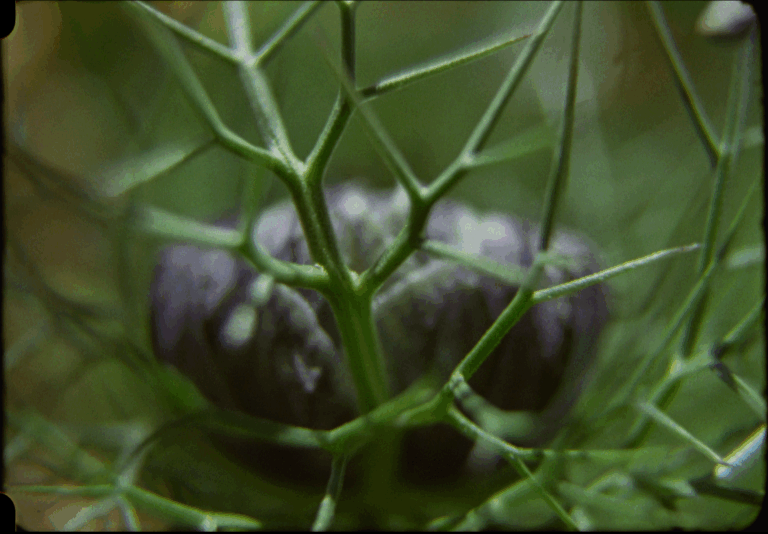
Jones Street (2025) by Silvia Turchin
Through the use of 16mm macro cinematography and the cameraless technique phytography, Jones Street portrays latent beauty in “the unremarkable,” amidst what was steel mill workers’ housing, in a constantly transforming urban landscape. Can we settle into the existential mystery in our daily surroundings, finding connection to something beyond our human ambition? Jones Street explores this question through visual and sonic textures. (Silvia Turchin)
bay area premiere
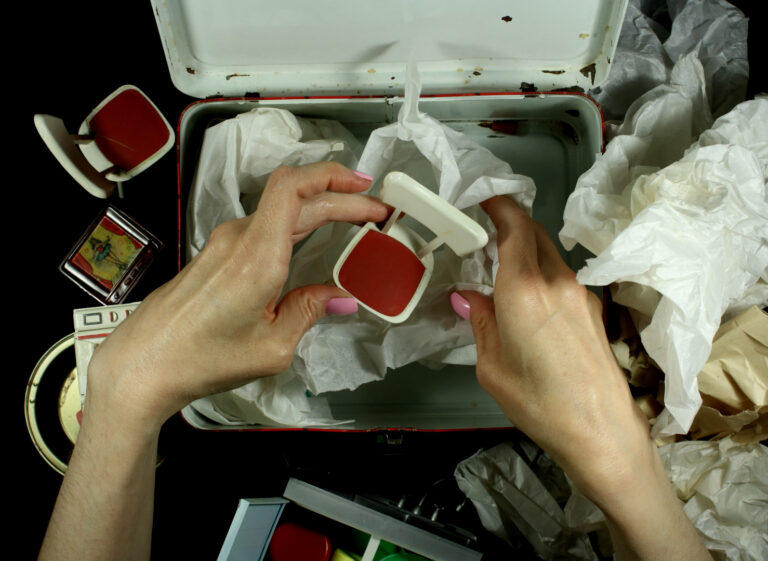
In the Heavenly Cutting Room (2025) by Emma Penaz Eisner
A woman on her deathbed summons her creator, chastising him and demanding a justification for her life’s trajectory, in this fusion of stop-motion animation and dreamlike live-action video. (Emma Penaz Eisner)
bay area premiere
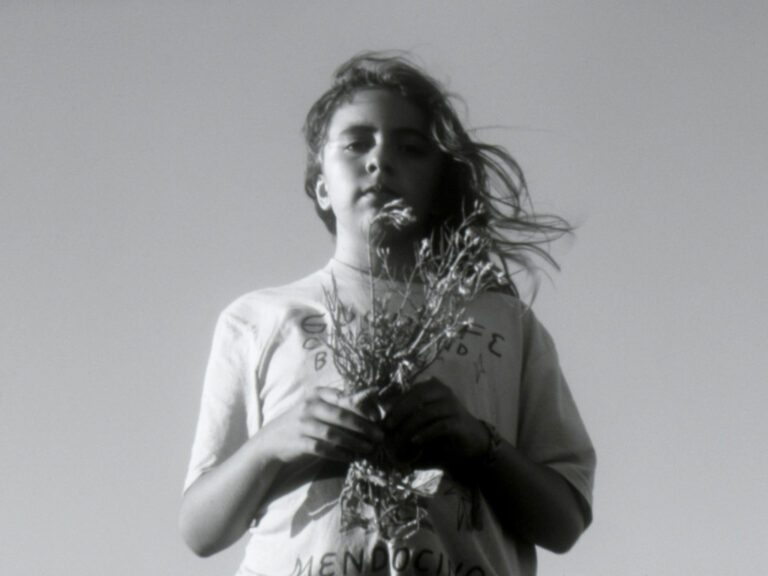
Wildflower Season (2025) by Kathleen Quillian
Vignettes and small moments documenting my two daughters on the cusp of adolescence. Gestures, glances, clothing, costumes, trinkets and play-acting—perhaps the only visible elements of an otherwise mysterious transitional stage between childhood and what comes after. (Kathleen Quillian)
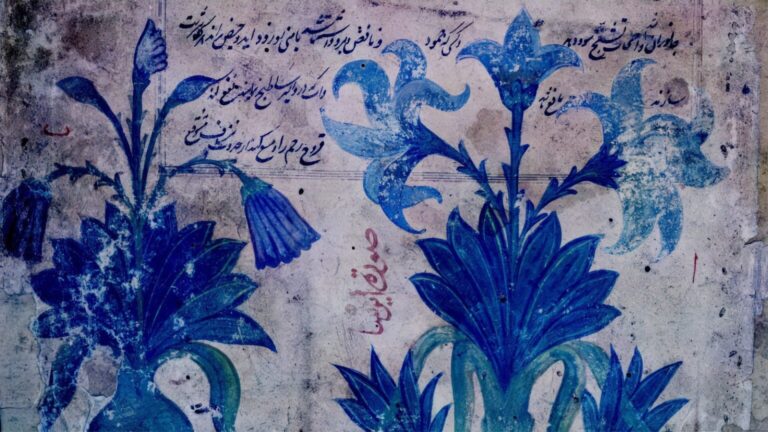
گلهای شب ِدریا Daria's Night Flowers (2025) by Maryam Tafakory
Daria has written her first manuscript about falling in love with a mysterious girl called “abi” [blue]. The night flowers in her garden hide the secrets of a country that has turned love stories into routine crime scenes. (Maryam Tafakory)
bay area premiere
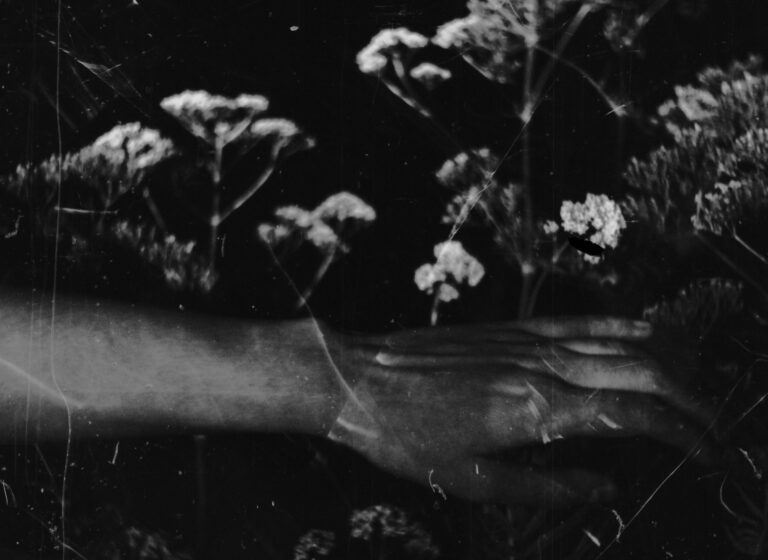
(for once I dreamed of you) (2025) by Kate Solar
As night falls over the fields, a woman looks into unknown areas: the space after a poem, the distance between map and territory, the darkness between film frames. A pastoral nocturne turns inside out. This 16mm work was shot at the Film Farm in Mt. Forest, Ontario, then re-photographed with flashlight contact-printing. Intuitive processes consider the image and soundtrack as a living thing that breathes and decays. (Kate Solar)
US premiere
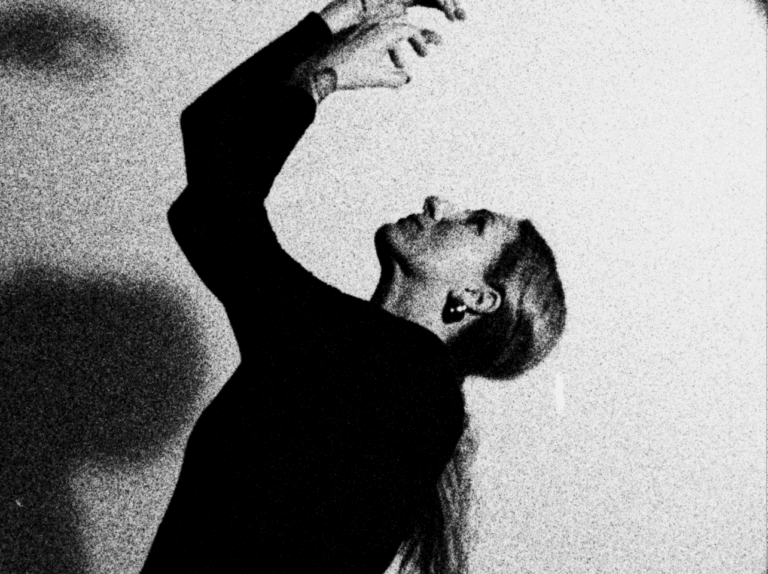
I Was There (2025) by Kamila Kuc
I Was There is a haunting exploration of familial bonds, intergenerational memory and the enduring impact of shared narratives. Filmmaker Kamila Kuc steps into the emotional stream of inherited family history as the lines between documentary, testimony and fiction blur. She performs acts of bearing witness not just for herself but also on behalf of her grandmother. Together, they testify to their experiences and the reverberations these stories have over time. I Was There is a palimpsest—a layered tapestry where past and present intertwine in the intimate process of activating memory and vulnerability as forms of resistance. I Was There honours the testimonial object inherited from ancestors and the living connection that binds generations in the shared pursuit of justice and healing. (Kamila Kuc)
 Charlotte Clermont (Canada): With a background in experimental cinema, Charlotte Clermont creates a dialogue between video and audio explorations to examine our perceptions of the real. She holds a Master’s degree in Time and Space from Uniarts Helsinki’s Academy of Fine Arts. Her master’s project du soleil, que ça existe was nominated for the Nordic and Baltic Young Artist Award. Her works have been presented in Canada and internationally at festivals and exhibitions such as the Festival international du film sur l’art (Canada), Fracto (Germany), Festival des cinémas différents et expérimentaux de Paris , International Film Festival Rotterdam, Künstlerhaus Bethanien (Germany), CROSSROADS, Arctic Moving Image and Film Festival (Norway) and Edinburgh International Film Festival (Scotland).
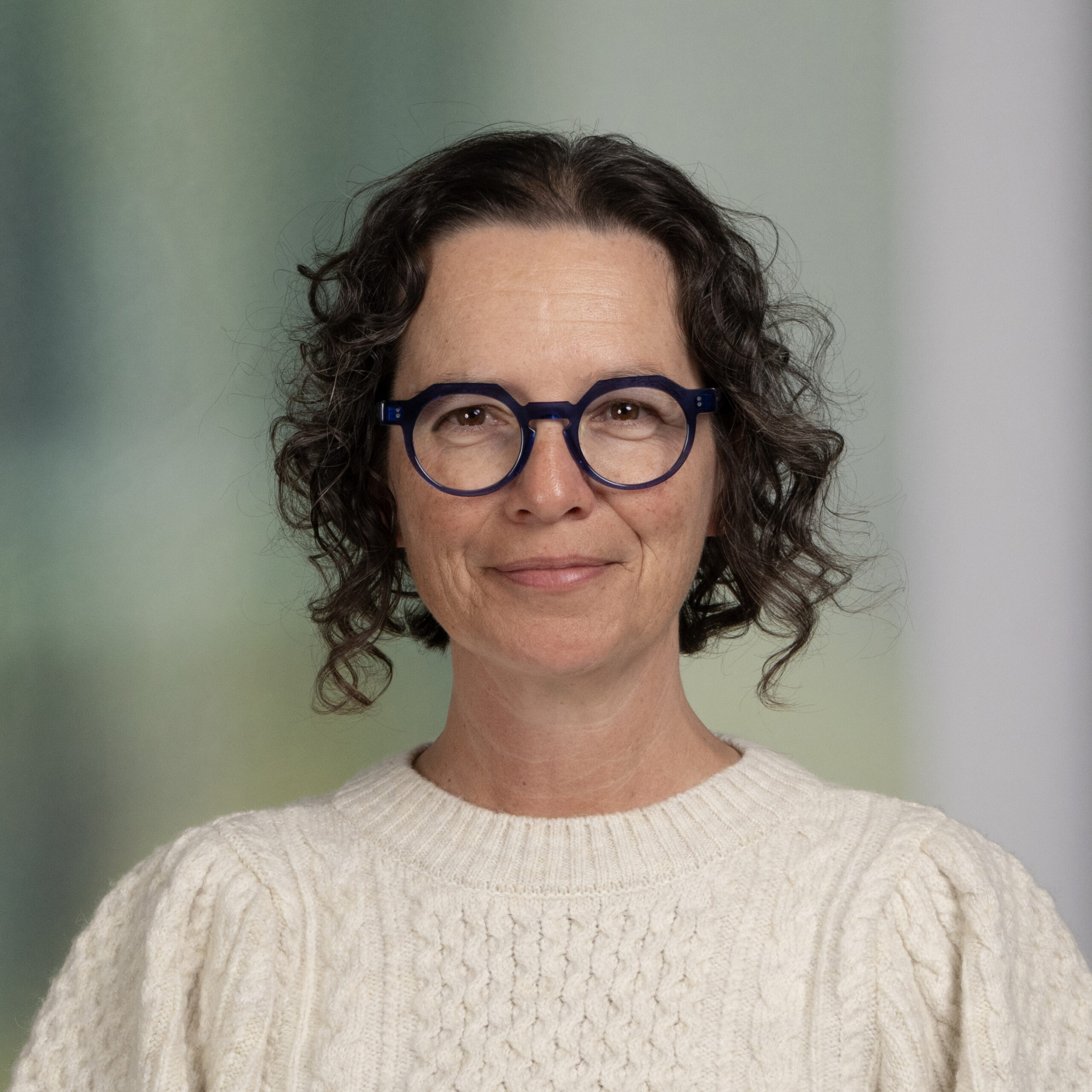 Silvia Turchin (US) is a Bay Area experimental filmmaker whose work is concerned with the loss latent within quotidian spaces. Her films are experiential in style, encouraging viewers to immerse themselves in visual and sonic observation of urban and natural landscapes. Her films include Summer Light for Tula, F-Line, 131 Russ, Oh Christmas Tree and Dogs of the 9th Ward. Silvia has screened at festivals and venues such as Ann Arbor Film Festival, Pacific Film Archive, Filmfest Dresden, Mill Valley Film Festival, Big Muddy Film Festival, Frameline, Shapeshifters Cinema and Basement Films’ Experiments in Cinema.
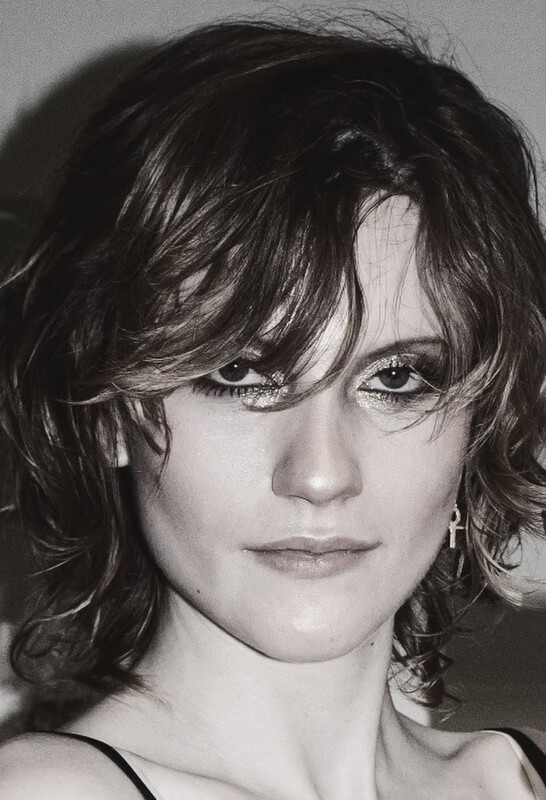 Emma Penaz Eisner (US) is a filmmaker and visual artist who engages with enduring mythical, existential and psychological themes, often using dream logic in her visual storytelling. She has presented her short films, photographs and moving image art worldwide in art gallery exhibitions and international film festivals, including Seattle International Film Festival, Revelation Perth International Film Festival (Australia) and Alchemy Film and Moving Image Festival (Scotland). Recognized with over twenty juried awards, her work spans experimental filmmaking, live action combined with handcrafted animation, digital and analogue photography and stop-motion animation. Originally from San Francisco, she now lives in Los Angeles, where she founded and runs Eyes//Pen Workshop, an independent multi-media production studio for her arts practice.
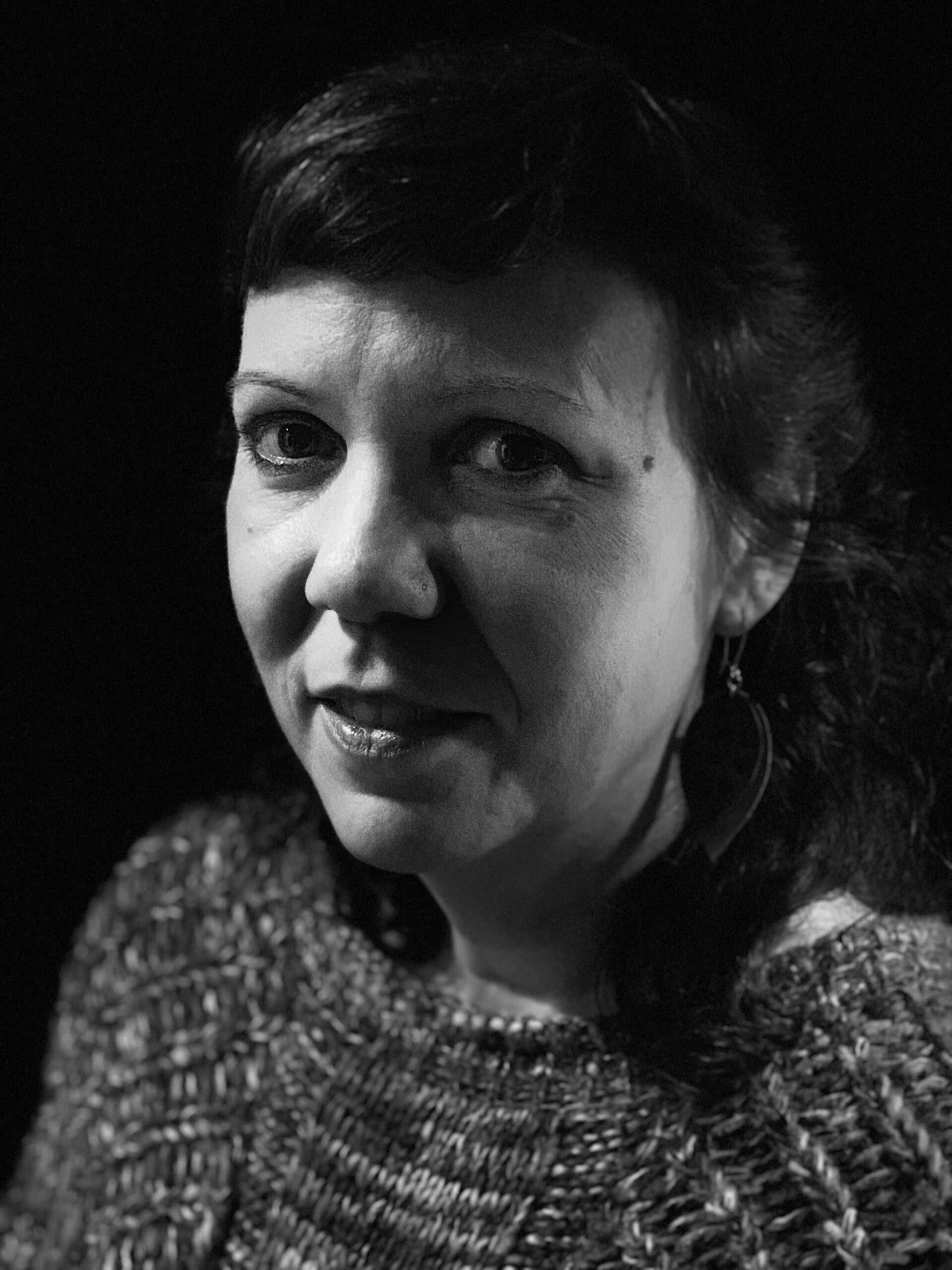 Kathleen Quillian (US) works across the spectrum of still and moving imagery, including pre-cinematic devices, 35mm slides, stop-motion animation and 16mm film. Triangulating between natural phenomena, metaphysics and speculative reasoning her work explores liminal spaces and the collective and individual ways humans understand and engage with the unknown. She has exhibited in venues and festivals internationally including International Film Festival Rotterdam, Ann Arbor Film Festival, San Francisco International Film Festival, Antimatter Film Festival, Animasivo, REDCAT, the Exploratorium and Pacific Film Archive, among others. She is also the co-founder and Programming Director of Shapeshifters Cinema in Oakland CA.
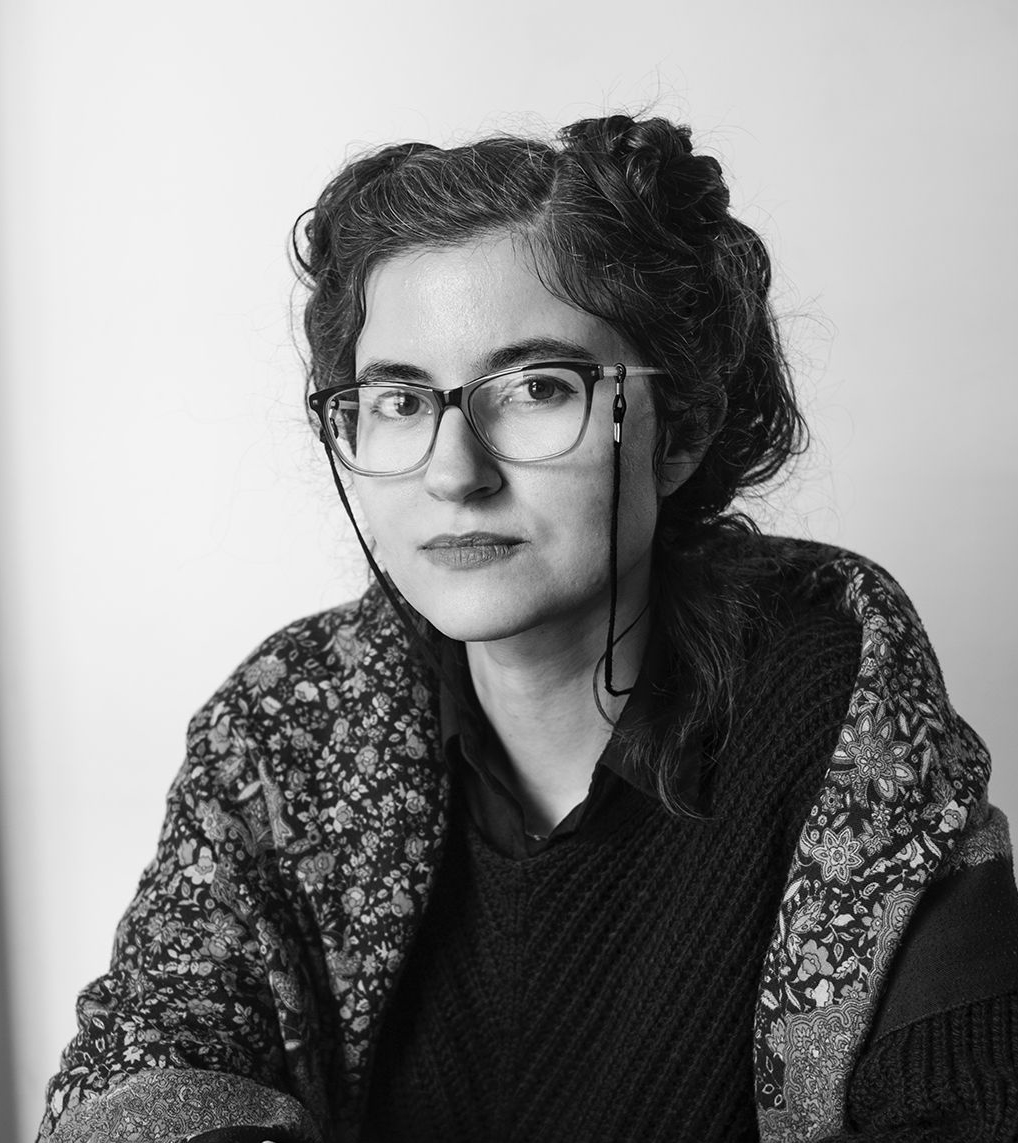 Born and raised in Iran, Maryam Tafakory is an artist-filmmaker working across moving image, text and performance. Her practice unfolds through long, unfinished research and gathers into constellations of speculative nonfiction pieces. She layers archival fragments, poems, newspaper clippings, audio recordings, declassified documents and state-produced images to trace the space between what is recorded and what is erased. Her research turns to historical gaps, unspoken rules, the various practices of censorship and to the bodies, stories and histories that are silenced or made illegible. Her work engages not only with what is missing, but with how absence itself is produced, regulated and sustained. Her ongoing films and performances follow these regimes of control, their internalisation and the unseen architectures that hold them in place. In dialogue with post-revolution Iranian cinema, pre-revolution censorship and the histories of women involved in clandestine leftist groups of the 1970s, her work continues to unfold as interconnected pieces. Portrait by Oscar F Orengo.
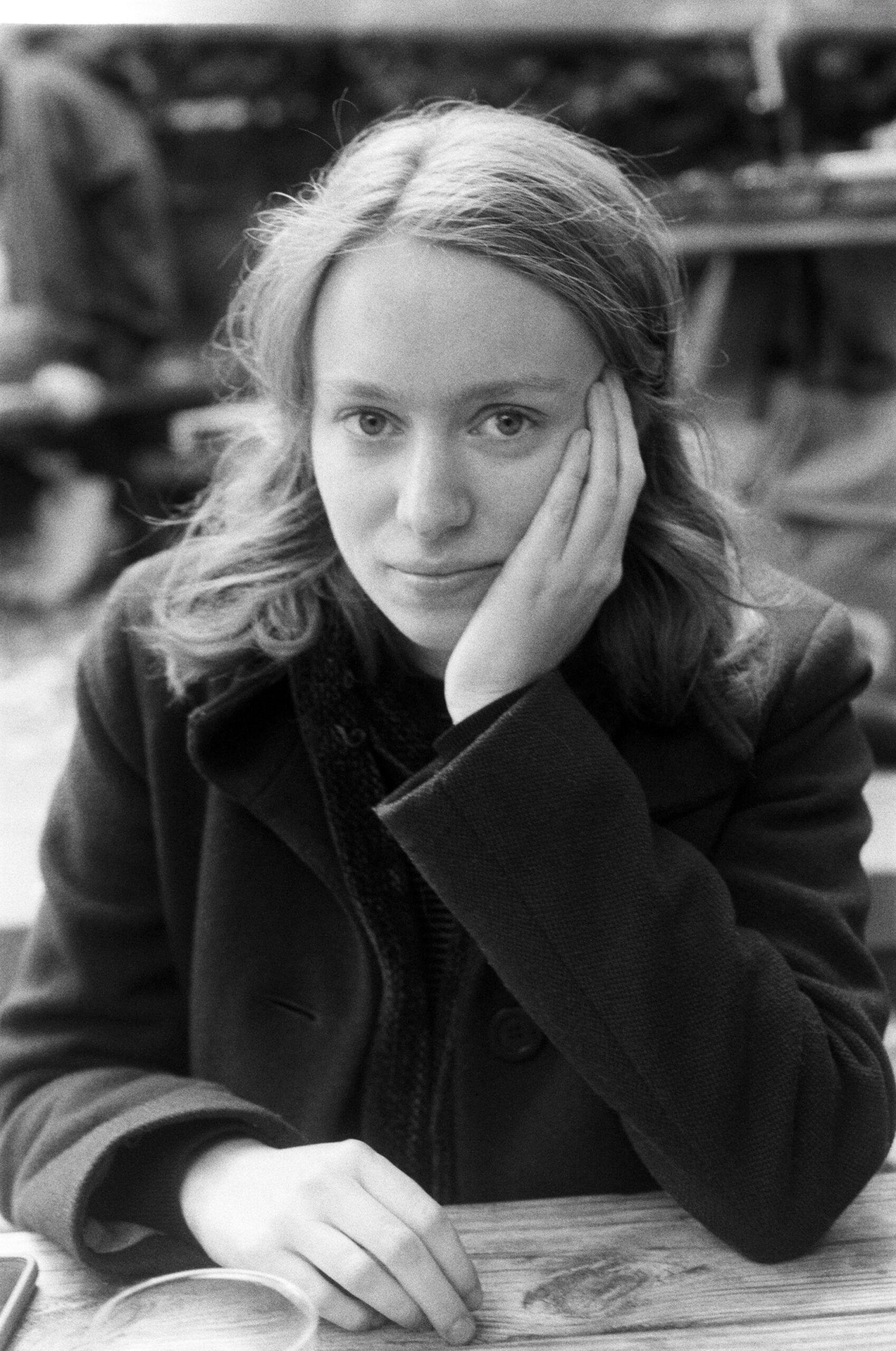 Kate Solar (Canada) is a filmmaker based in Kjipuktuk/Halifax. Her documentary and experimental film work probes the boundaries of memory, examining what exists in the interstitial space between landscape and documentation. Approaching the analog film frame as tactile material offers new ways to investigate archive poetics. Solar holds a BFA from NSCAD University. Her practice has been supported by Arts Nova Scotia, AFCOOP, the Centre for Art Tapes, Struts Gallery and more.
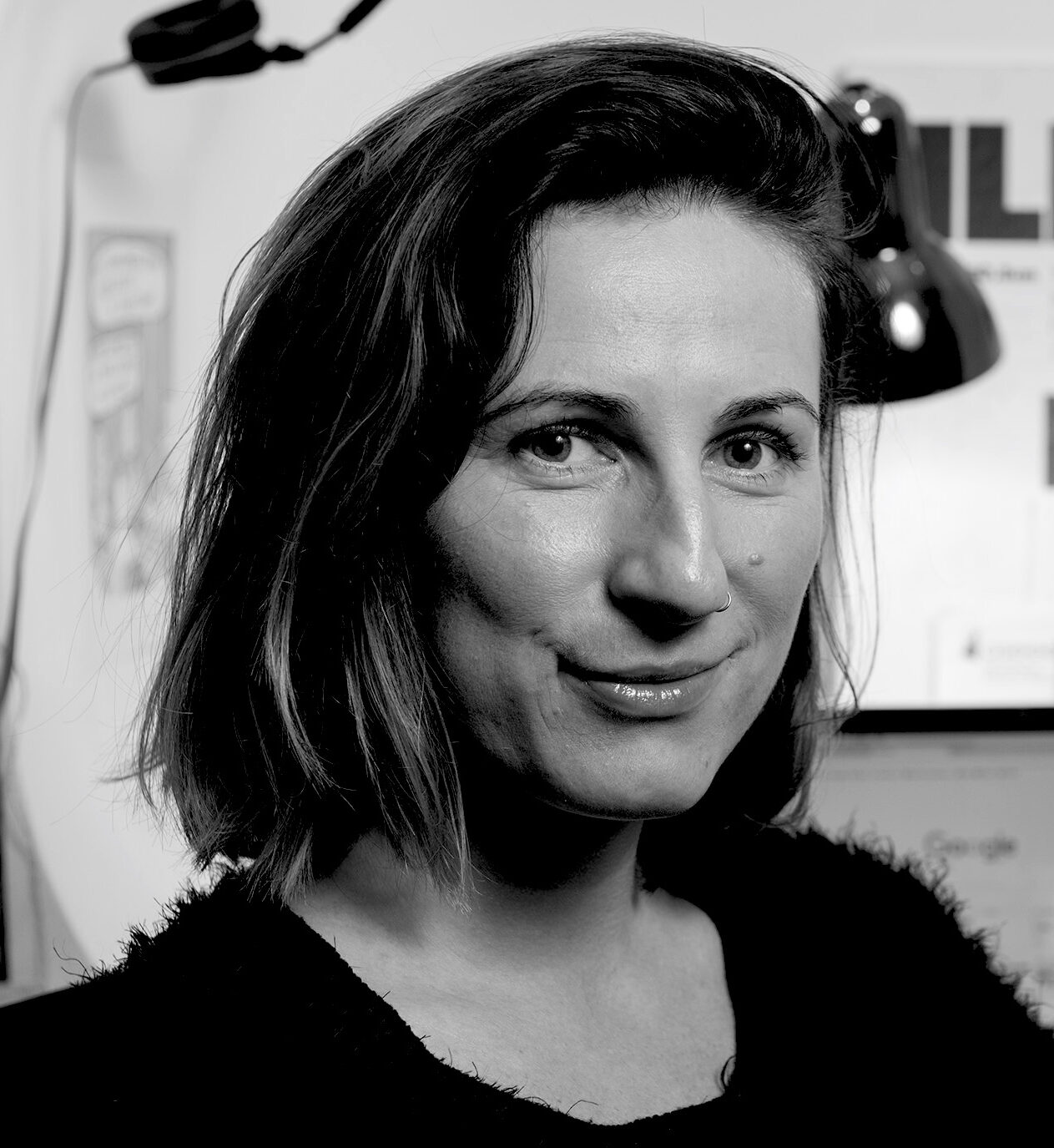 Kamila Kuc (US/Poland) is a Polish-born filmmaker based between London and Seattle. Her work brings together performance, movement and hybrid nonfiction forms to explore memory as something embodied, relational and constantly shifting. She is interested in what lingers beyond language—gestures, sensations and traces carried in the body. Through improvisation and collaborative processes, she creates spaces where these experiences can emerge and be shared. Her work explores memory, ancestry and womanhood as sites of tension and transformation, shaped by inheritance and resistance. Informed by her therapeutic training, she approached the body as a threshold where experience is both held and reconfigured. Her films become spaces of encounter, where intimacy offers a quiet form of reflection, endurance and repair.